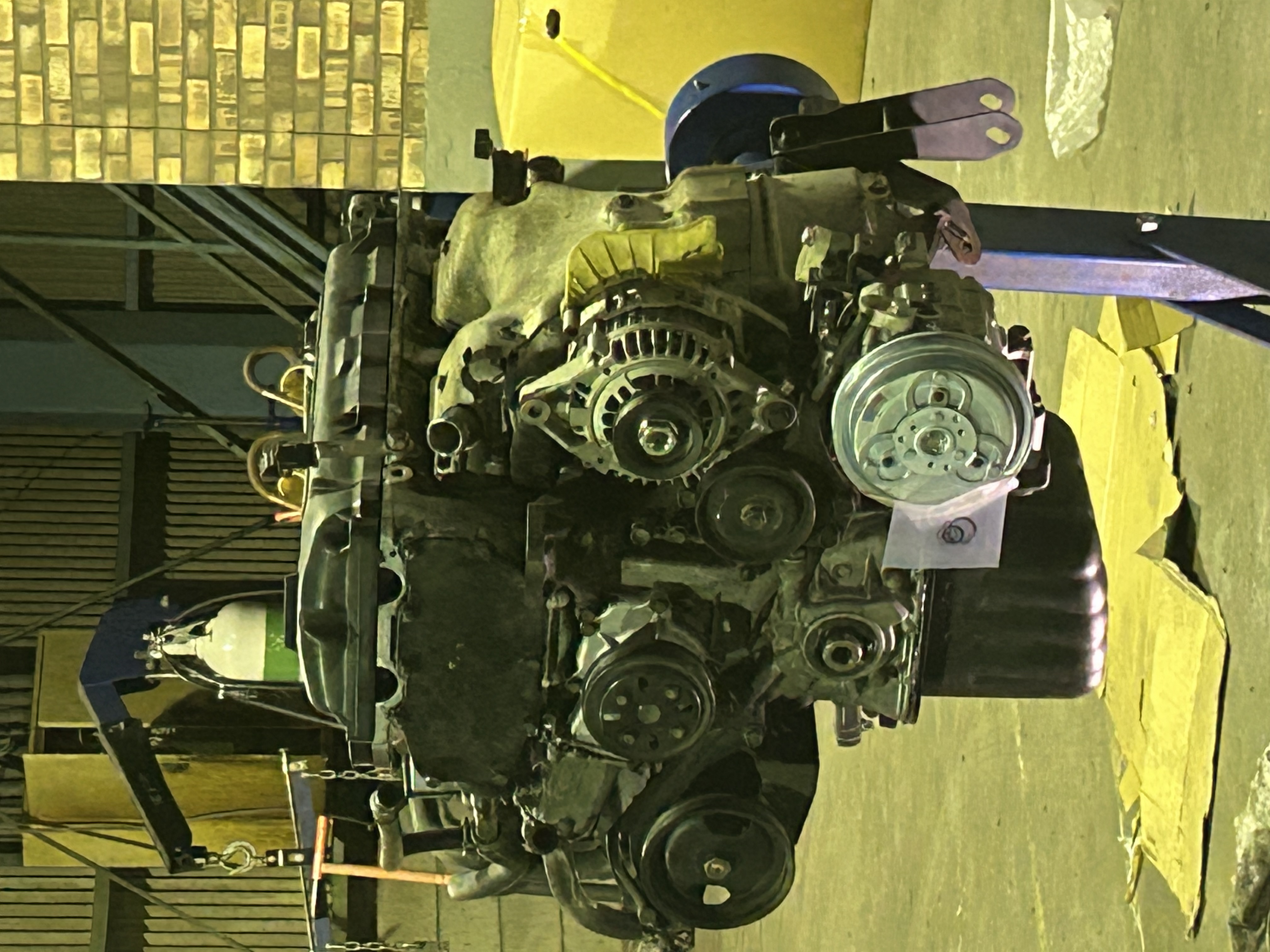
Fresh paint and clean interior trim make a great first impression, but internal mechanical health determines whether a classic Rasheen can actually be driven with confidence.
For this build—commissioned by an owner in Okayama Prefecture—we stripped the 1.5-liter GA15DE powerplant down to bare metal for a full overhaul. Here is the precision machine work and blueprint assembly that usually stays hidden once the block drops back into the bay.
Mileage Alone Doesn't Tell the Whole Story
It is tempting to assume an engine with low mileage is in good health, but an odometer only reveals part of the picture. We have torn down GA-series engines with just 80,000 kilometers (roughly 50,000 miles) that were already sitting well outside factory clearance limits.
Decades of heat cycles, irregular oil changes, and long periods of sitting take a heavy toll on internal metal. The only reliable way to evaluate an older engine is simple: strip it down, clean every casting, mic the critical dimensions, and check the bearing surfaces firsthand.
Rebuilding the Short Block
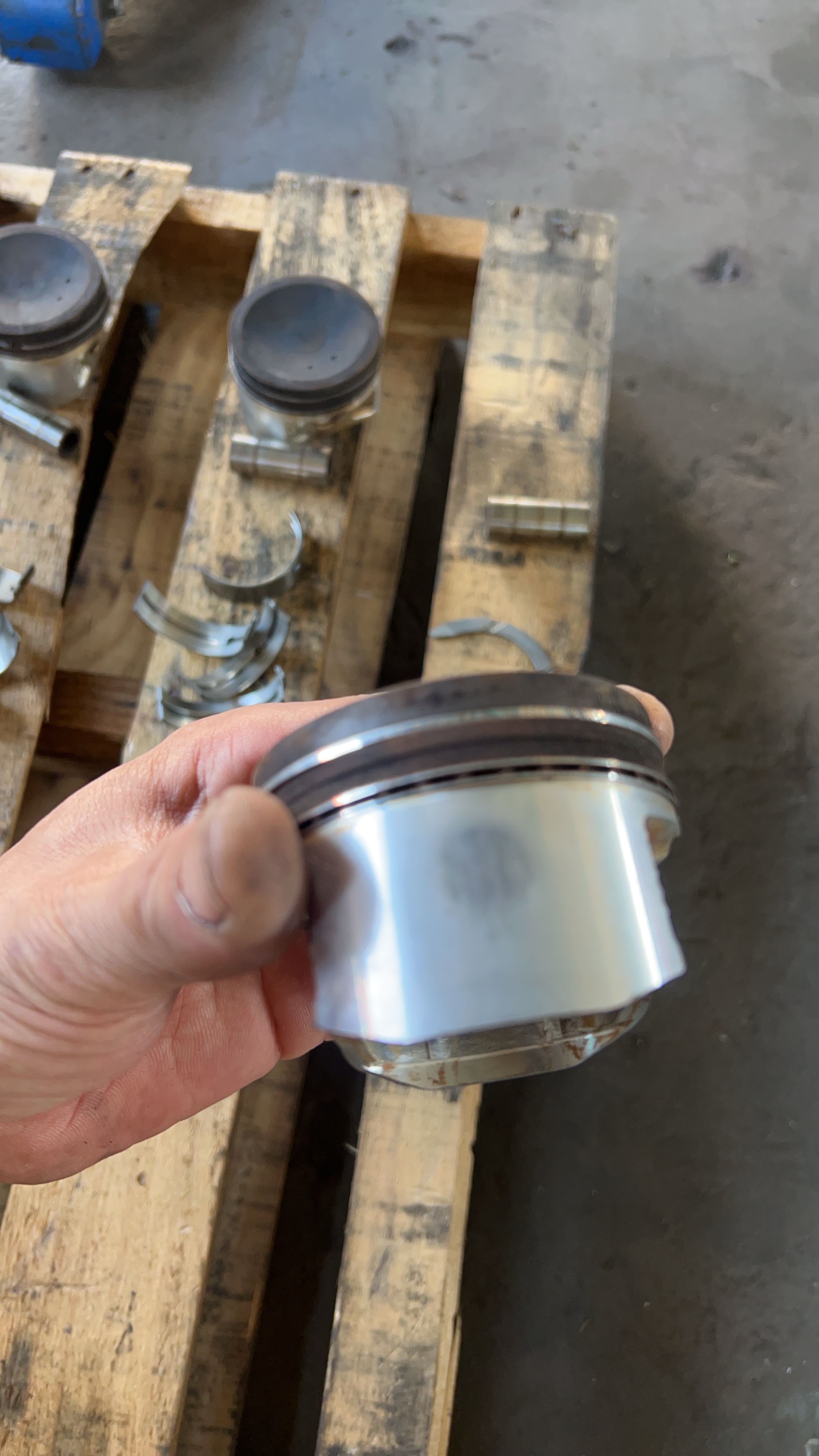
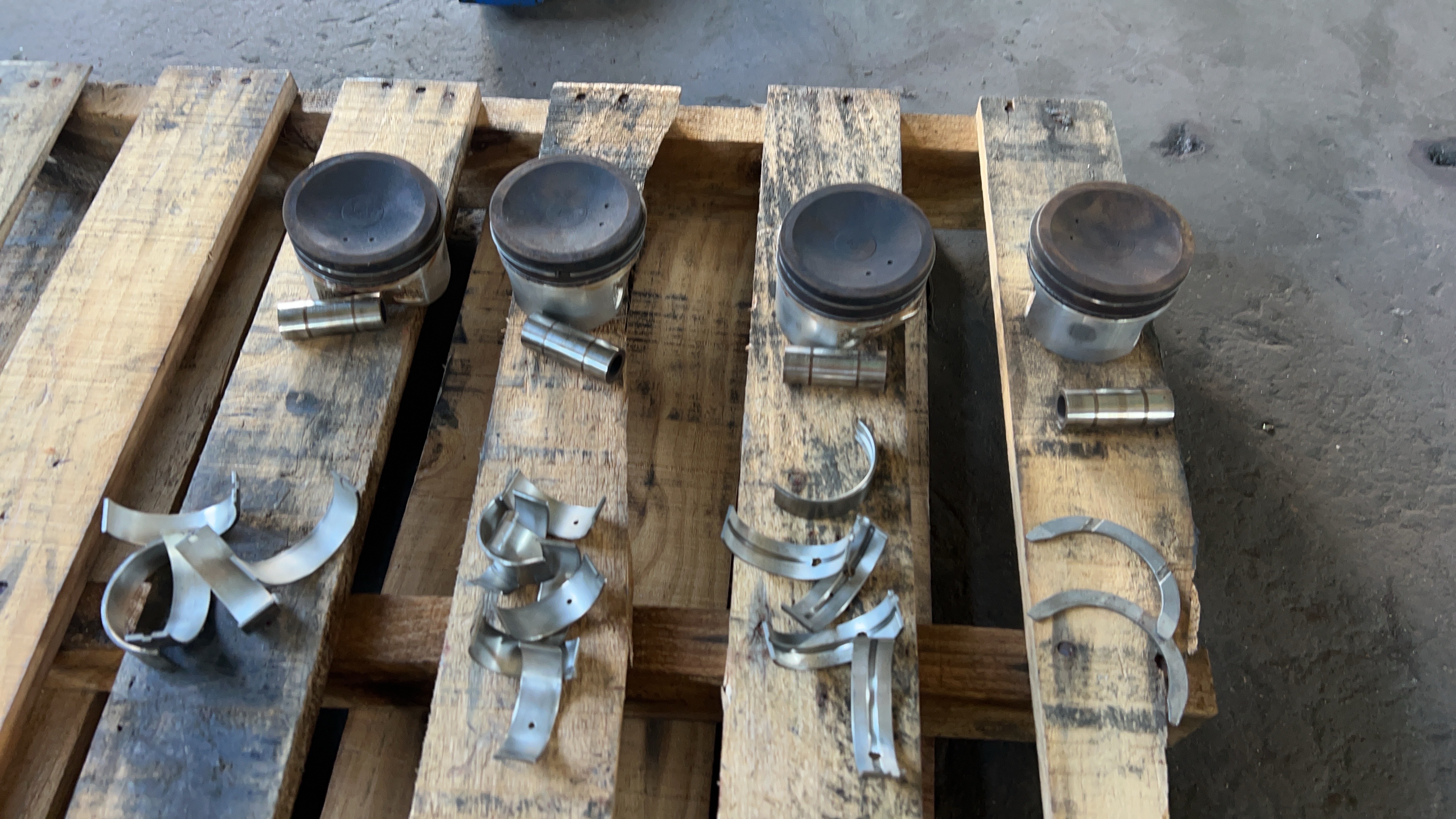
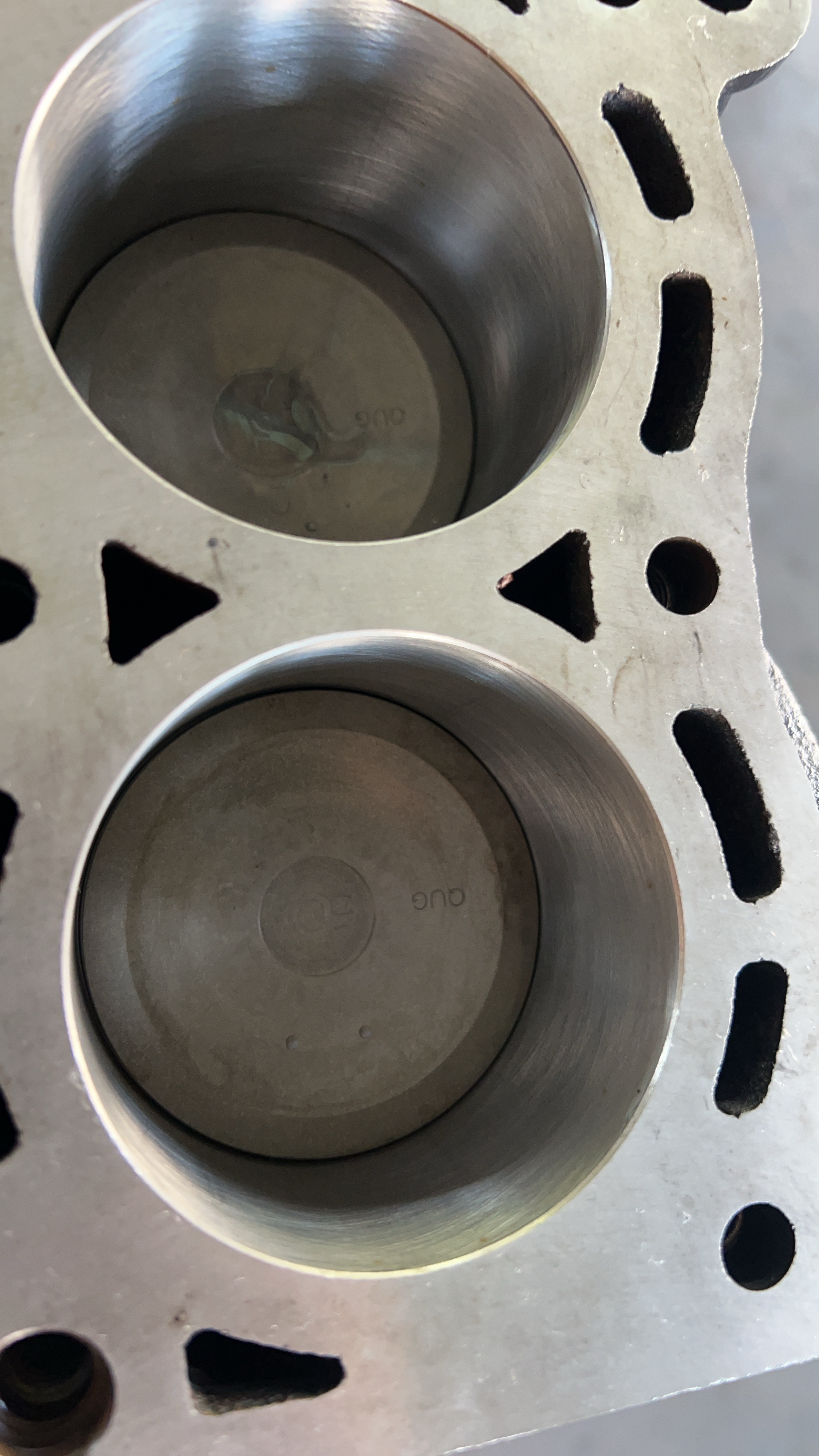
For this build, the cylinder bores were measured, bored out, and cross-hatch honed to match fresh oversize pistons. We mic'd and polished the crankshaft journals before seating new main and rod bearings.
Bottom-end scope:
- Complete teardown and chemical cleaning
- Cylinder wear and crank journal inspection
- Cylinder boring and precision cross-hatch honing
- Installation of oversize pistons with hand-gapped rings
- New main and connecting-rod bearings
- Plastigauge clearance verification across all journals
- Final torque-to-spec reassembly
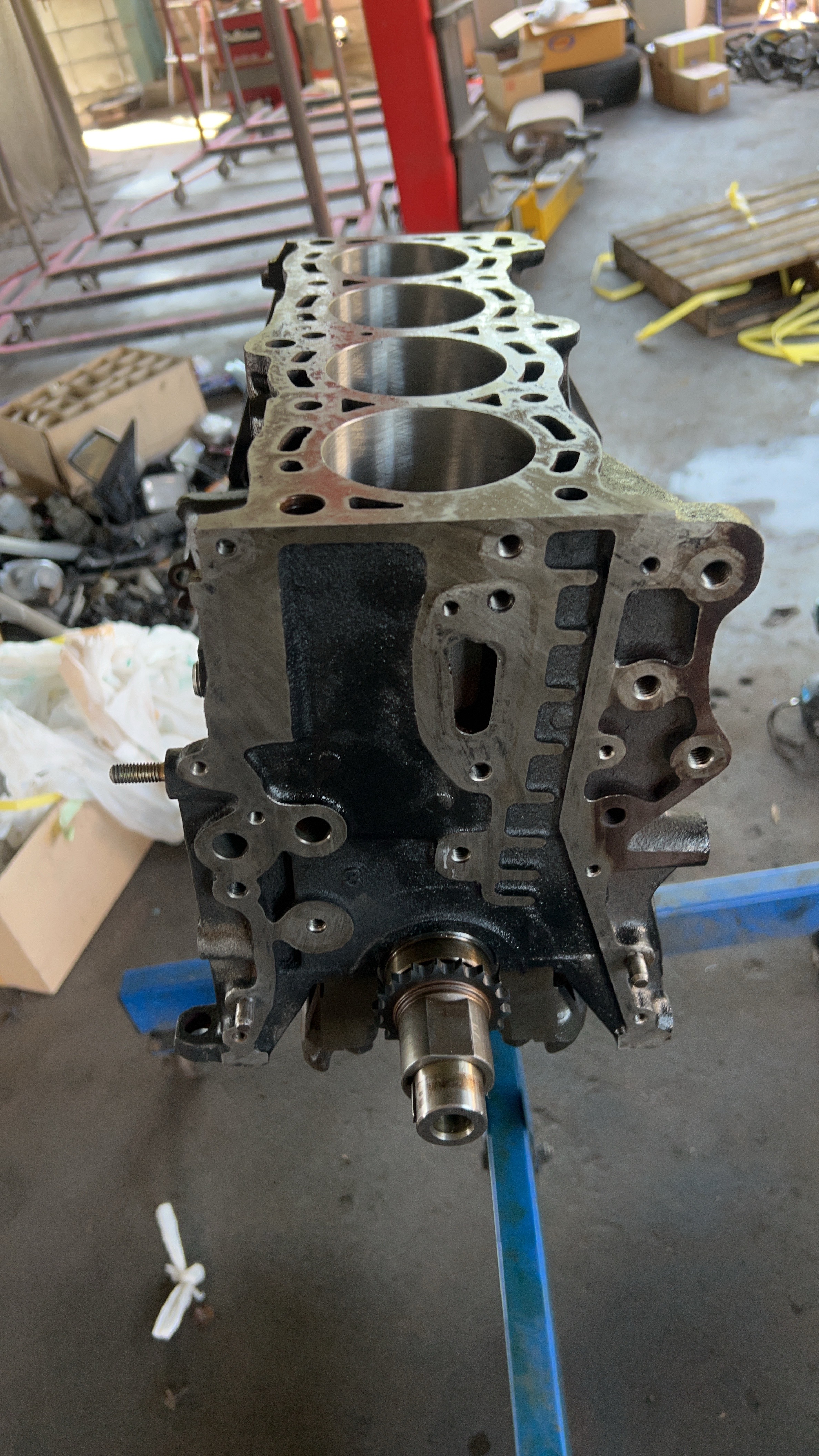
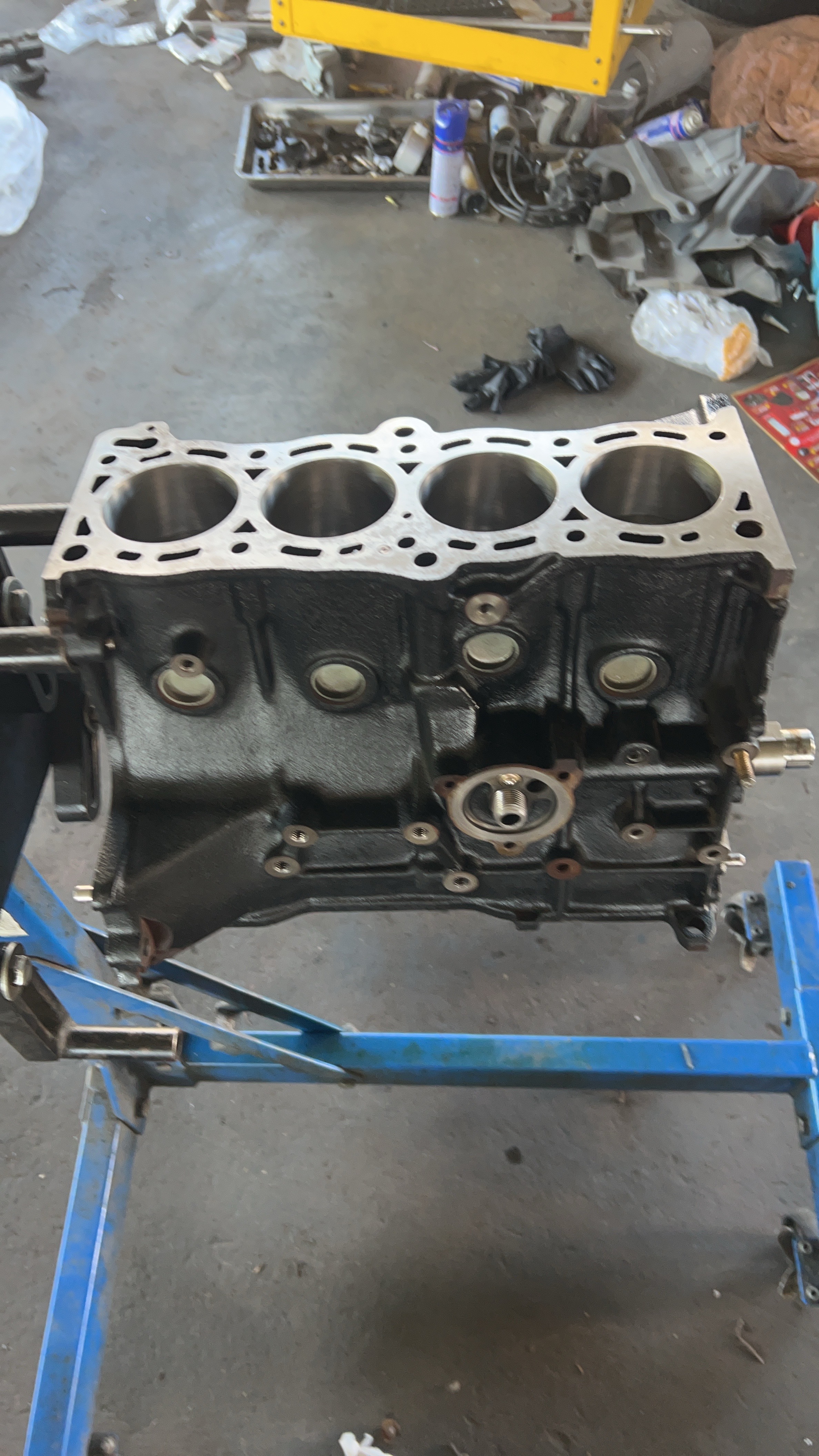
Piston-to-wall clearance dictates engine noise, blow-by, oil consumption, and longevity. This is patient machine work—not quick cosmetic detailing.
Rebuilding the Cylinder Head
A proper overhaul never stops at the short block. The GA15DE’s twin-cam cylinder head dictates airflow, combustion sealing, and valvetrain response.
Cylinder-head machining & service:
- New valve guides pressed and reamed
- Valve seats cut and lapped for an airtight seal
- Cylinder-head deck resurfaced dead flat
- Valve-clearance measured and dialed in with selective shims
- Ultrasonic cleaning of the bare casting and valvetrain gear
- Camshaft journals inspected before final valvetrain install
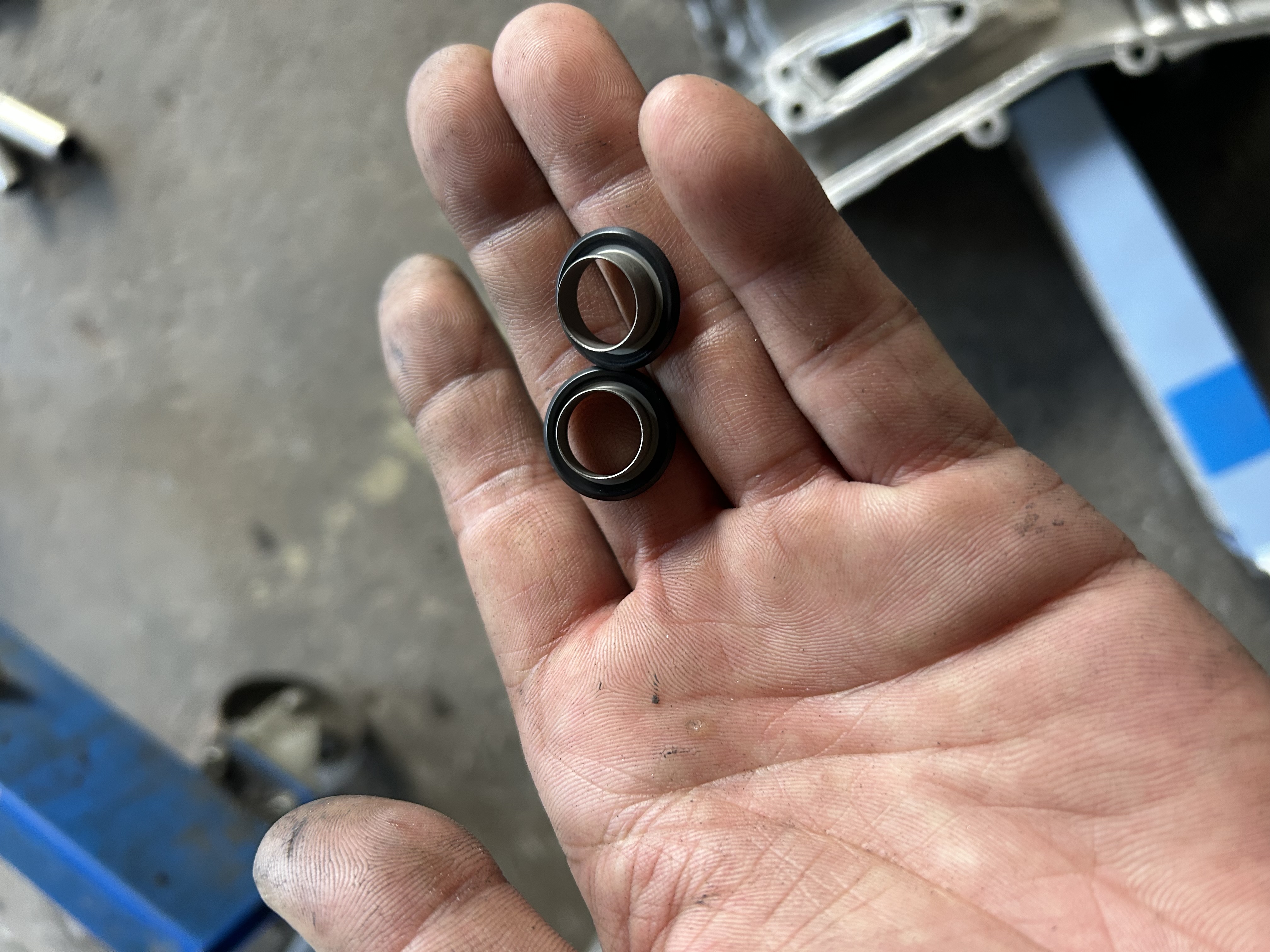
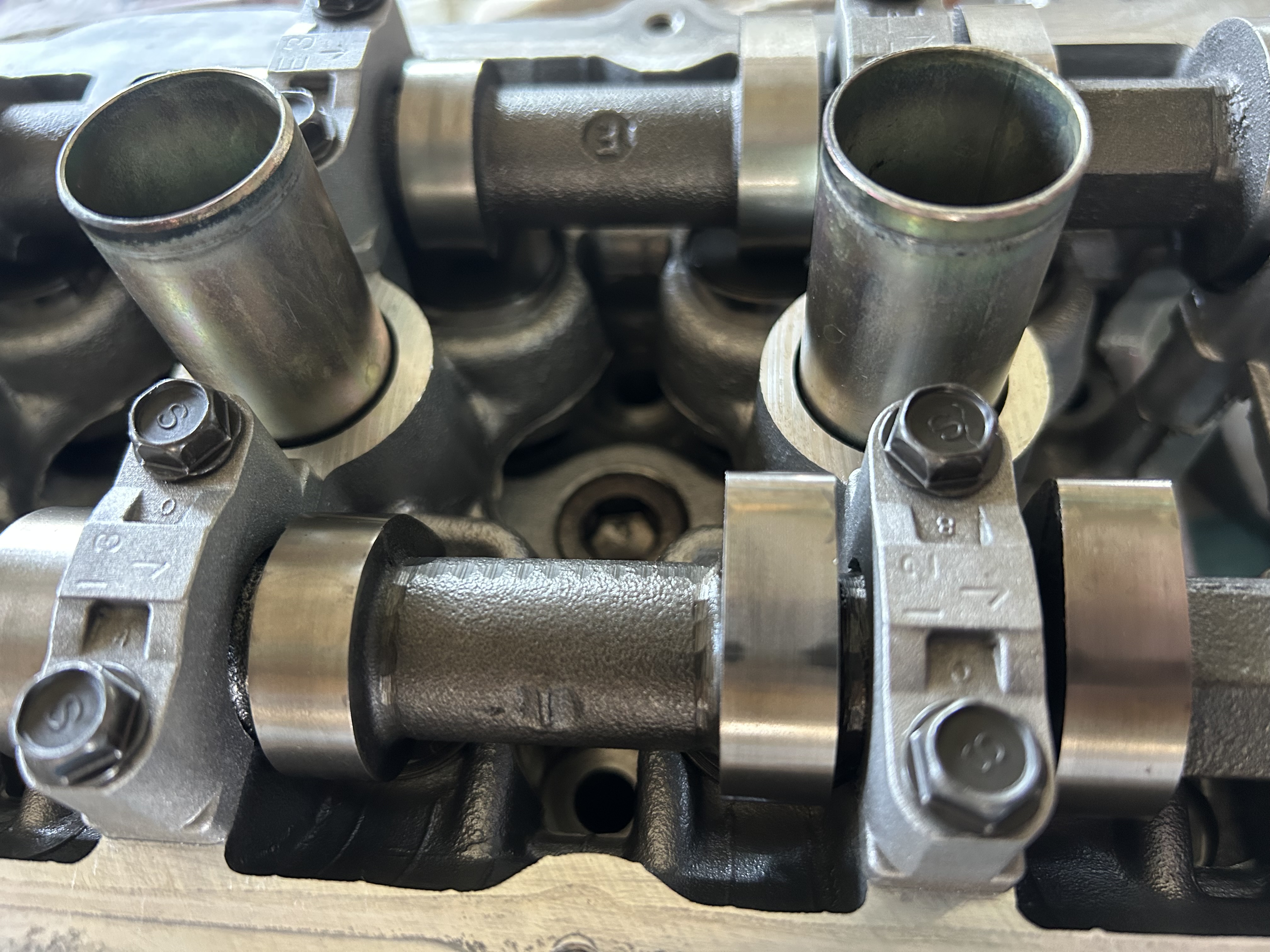
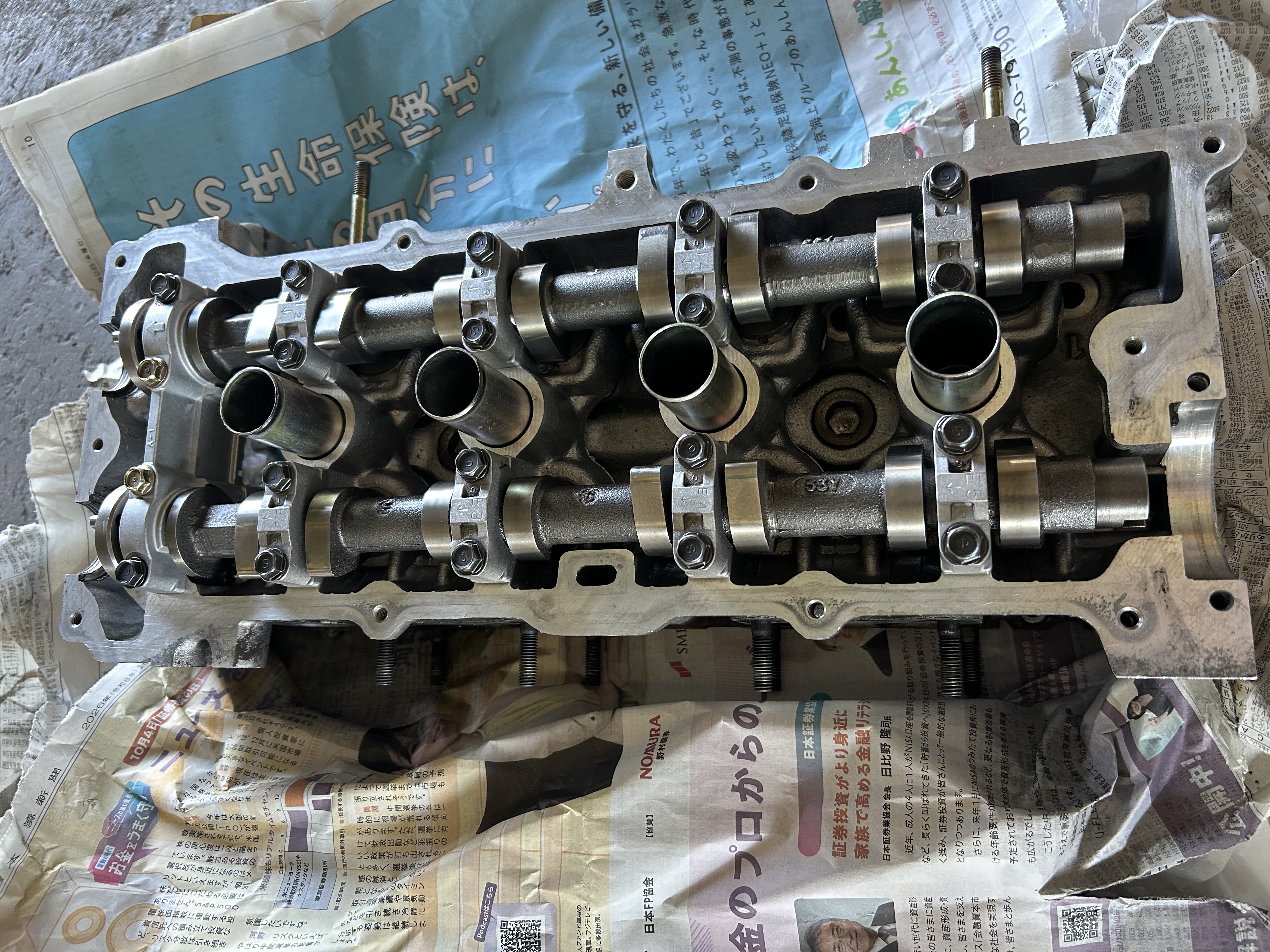
We never simply spray down a head and bolt it back on. New guides keep valve stems centered to prevent oil pull-through, while freshly cut seats guarantee full compression across all four chambers. After skimming the deck for a true mating surface, we hand-shim the bucket lifters to factory clearance—ensuring quiet cold starts and crisp cam timing.
Torquing the Head to the Block
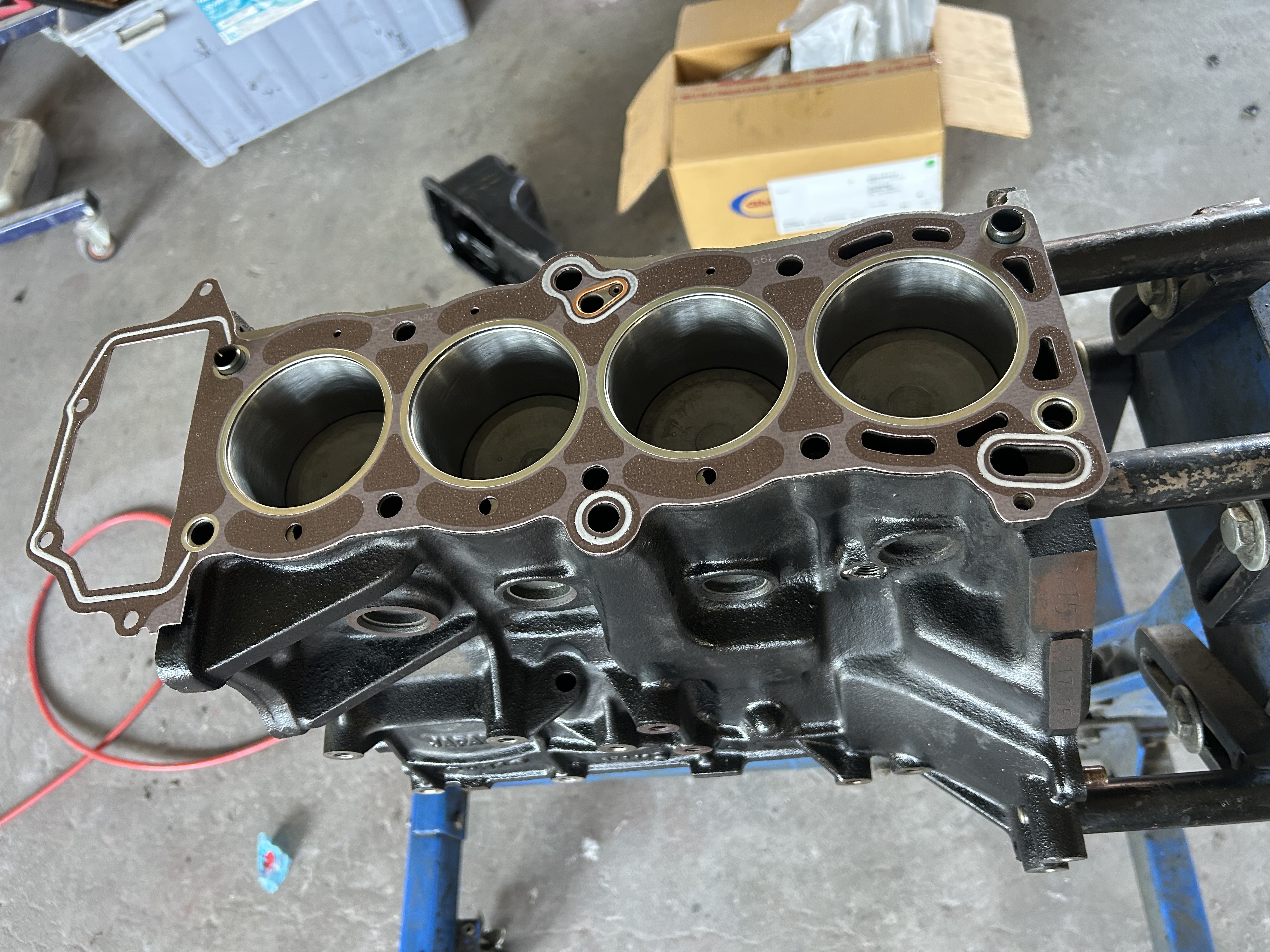
With the deck and head face degreased, an OEM-spec head gasket was aligned over the locating dowels.
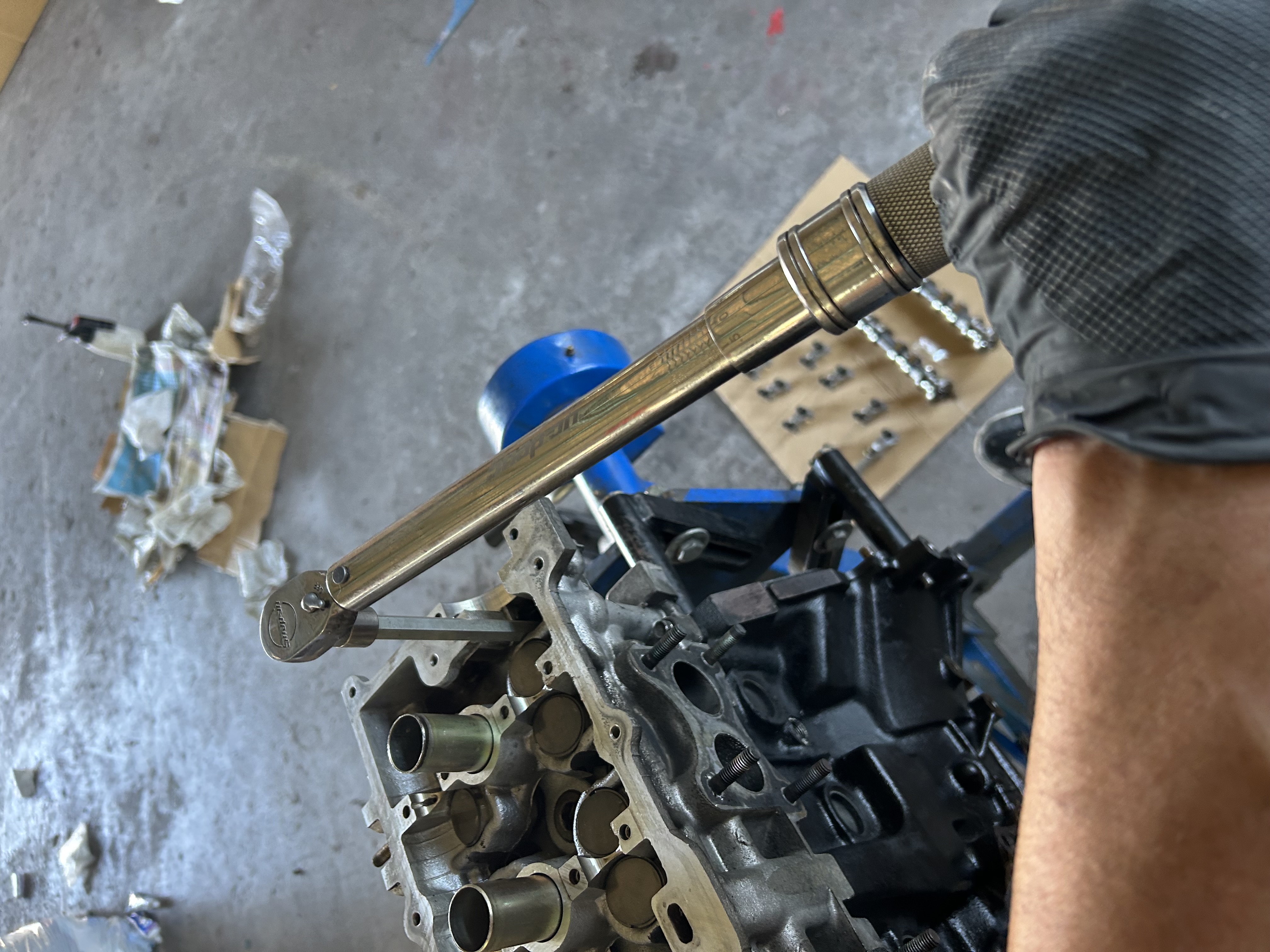
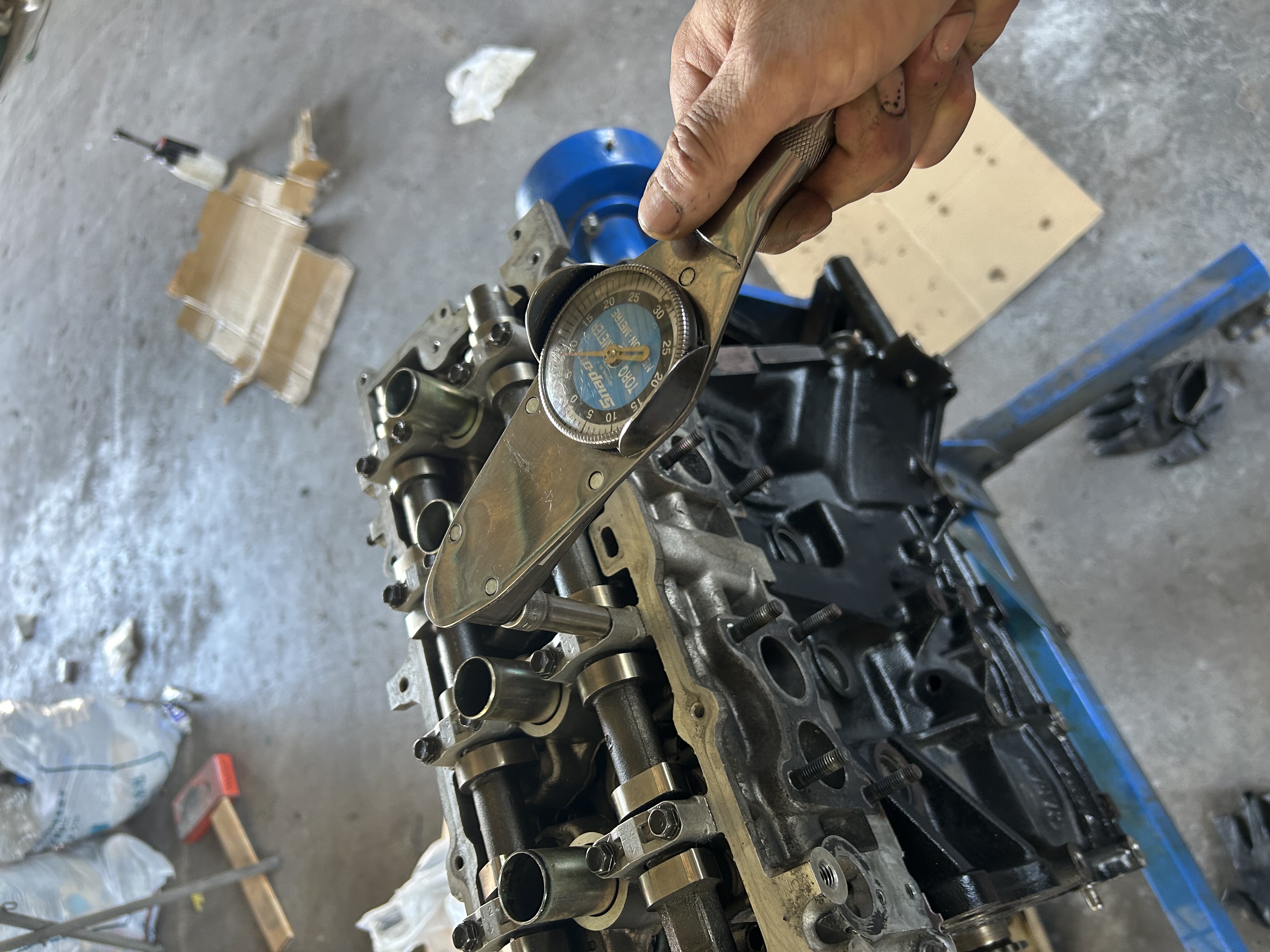
Head bolts were pulled down strictly in the factory torque sequence and angle-tightened in progressive stages. When it comes to sealing high combustion pressures against oil and coolant passages, we never cut corners by feel.
Timing Chain & Front-End Assembly
During front-end reassembly, chain routing, timing marks, hydraulic tensioners, and guides were verified three times over. On an interference engine, being even one tooth off ruins output and risks piston-to-valve contact.
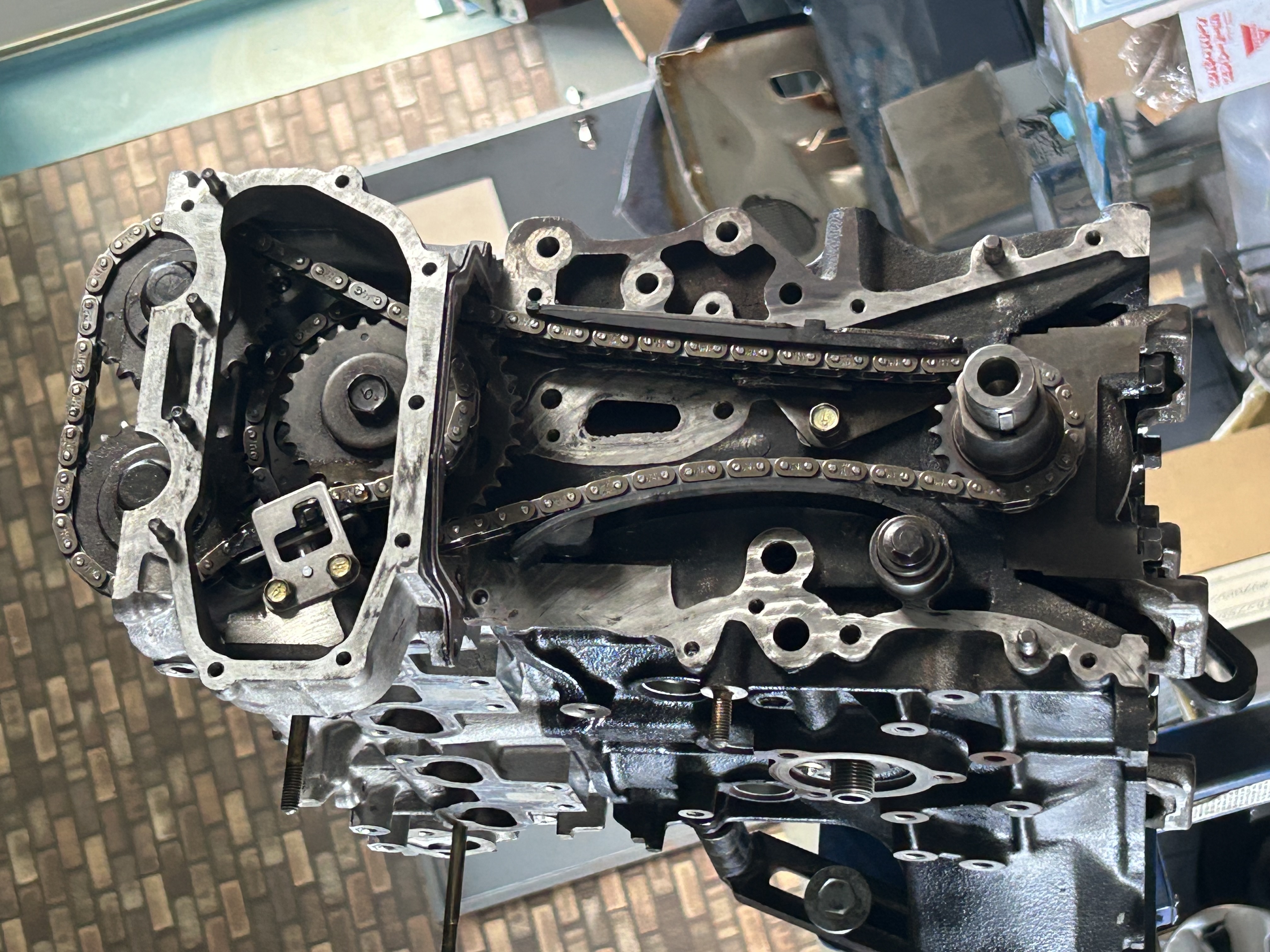
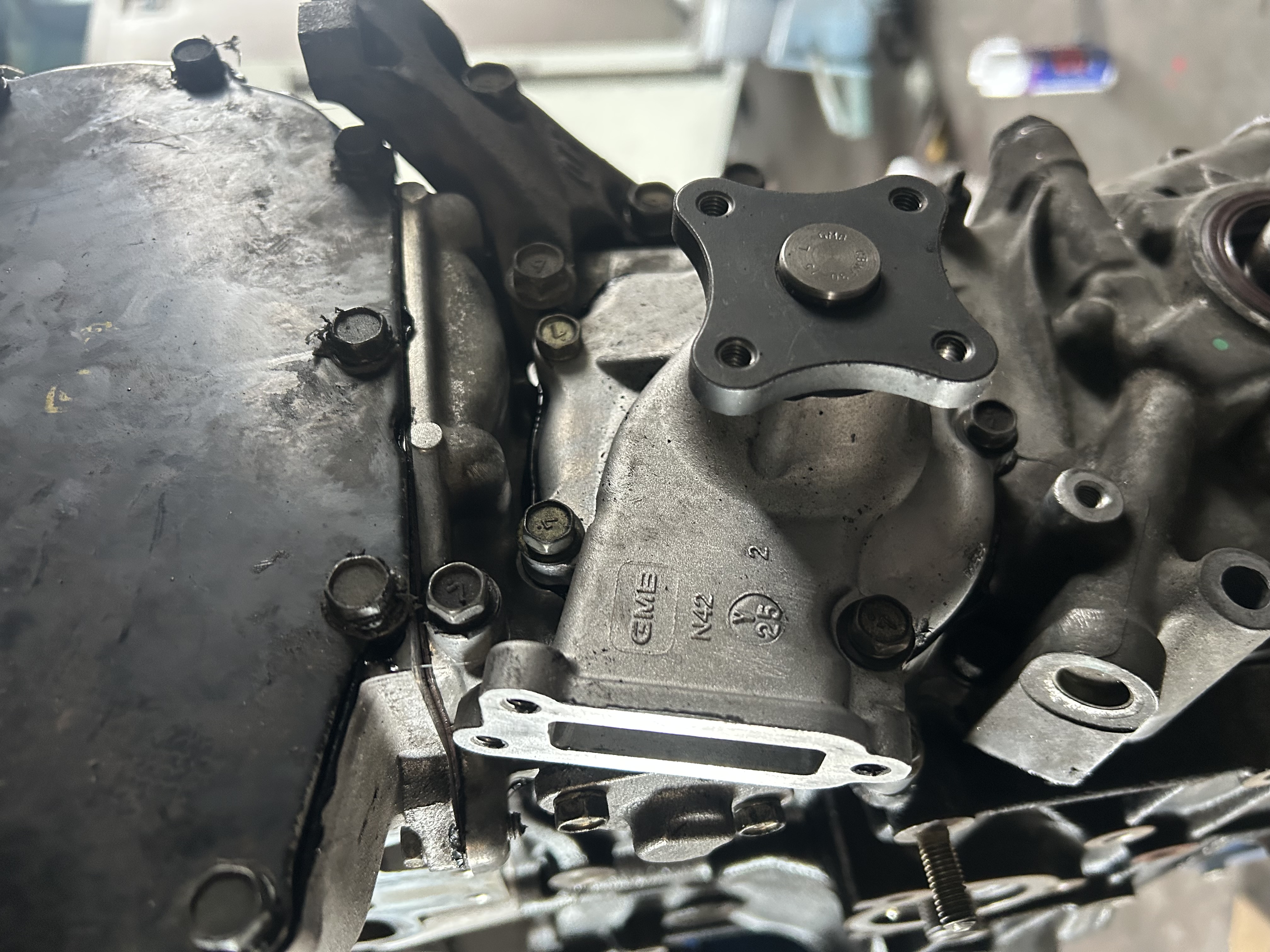
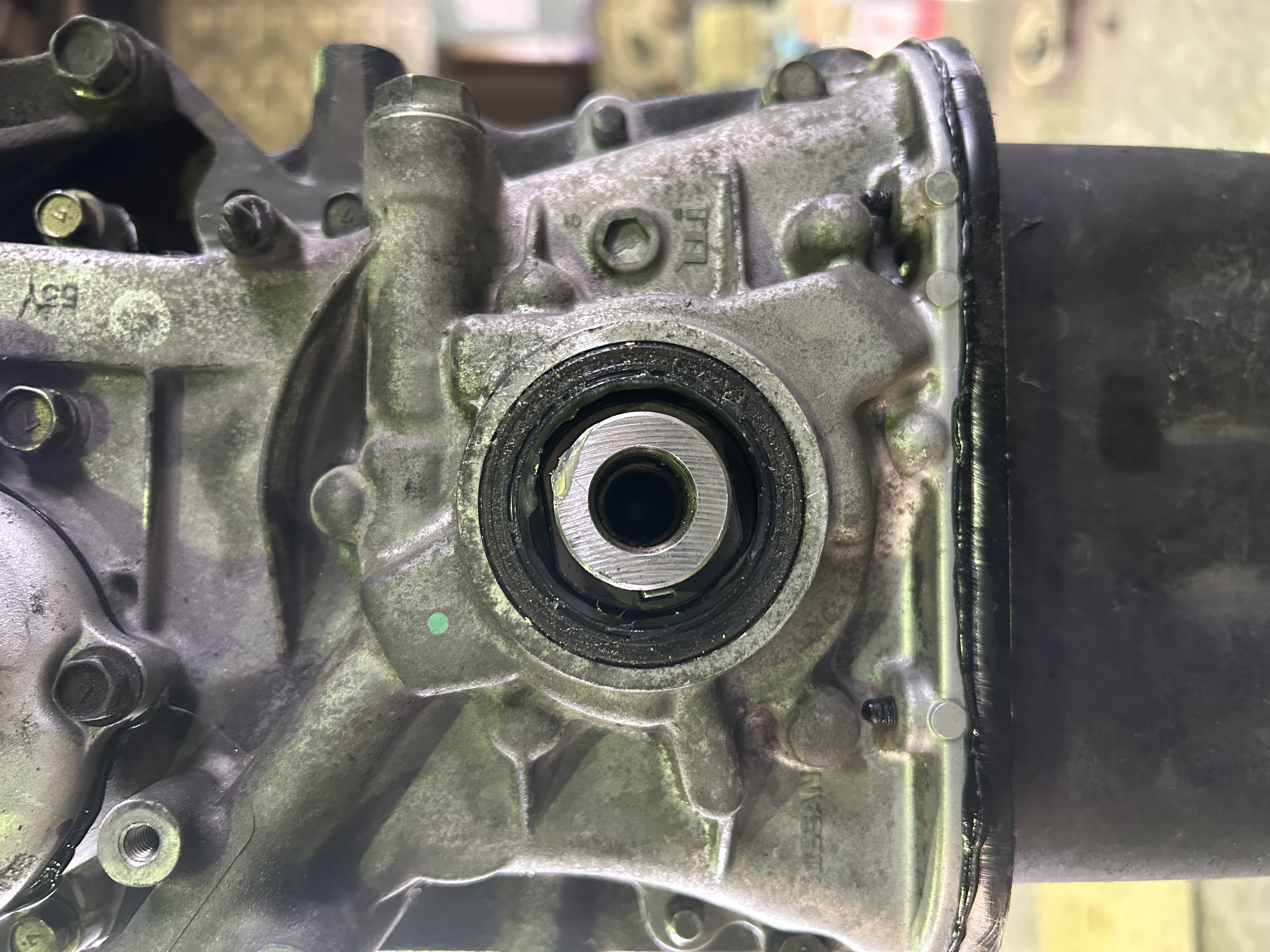
While the engine sat on the build stand, we fitted a new water pump, timing cover, and front crank seal. These are notoriously awkward wear items to replace once the engine is sitting between the strut towers, making it essential to renew them now.
The Finished GA15DE
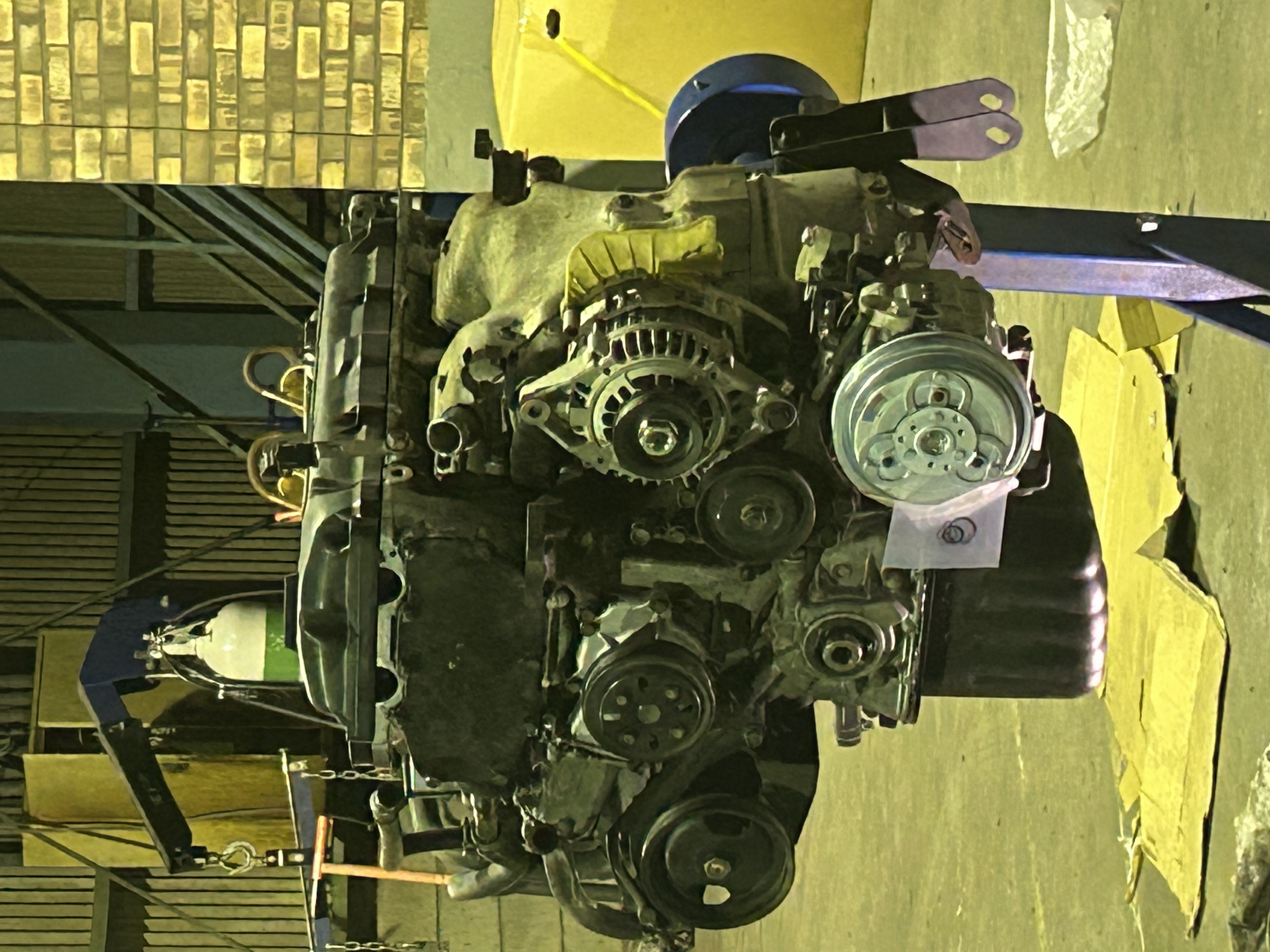
With the long block closed, the valve cover, intake manifold, and auxiliary brackets were bolted up.
From the outside, it looks clean and factory-fresh. But the real value is inside: zero-hour clearances, fresh cross-hatching, renewed bearings, and dialed-in valvetrain geometry.
Why Overhaul Before Catastrophic Failure?
We frequently see older GA engines drop compression without warning due to stuck rings or burnt valves—often running fine just days prior. The Nissan Rasheen is now more than 25 years old, and original Nissan replacement internals are growing scarce.
For an owner planning to keep their Rasheen on the road for the long run, proactive rebuilding while quality parts and machine shops are available prevents a thrown rod or scored block down the line. It removes the guesswork, replacing 25 years of unknown history with verified factory tolerances.
Over 20 Years of Rasheen Dedication
Rasheenkan has focused exclusively on the Nissan Rasheen since 2003. Decades of tearing down and assembling GA15s have taught us what cannot be spotted from a quick road test or an odometer readout.
Our goal is never just to get an engine to fire up. We build them to provide a smooth, quiet, dependable heartbeat for the next 100,000 miles.
This engine is heading back to its home in Okayama, but we bring this exact mechanical standard to every car we curate, rebuild, and export worldwide.
If you are sourcing an authentic, turn-key Nissan Rasheen for export to the US or looking into a custom restoration built in Japan, reach out to the Rasheenkan workshop through our contact page.