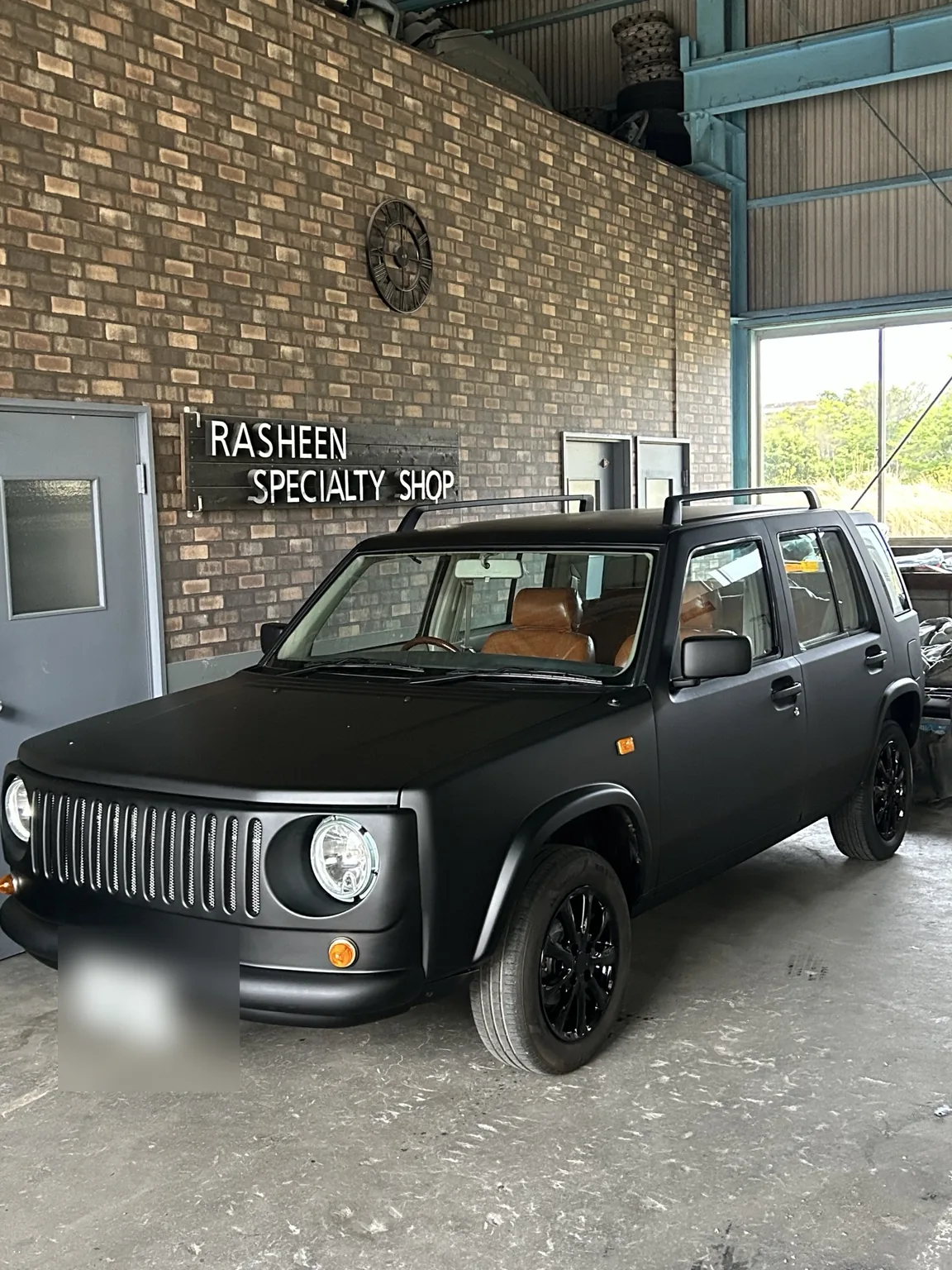
Long before "lifestyle crossover" became an automotive marketing staple, Nissan built a compact 4WD with honest proportions, unpretentious character, and styling that outright refused to chase fleeting trends.
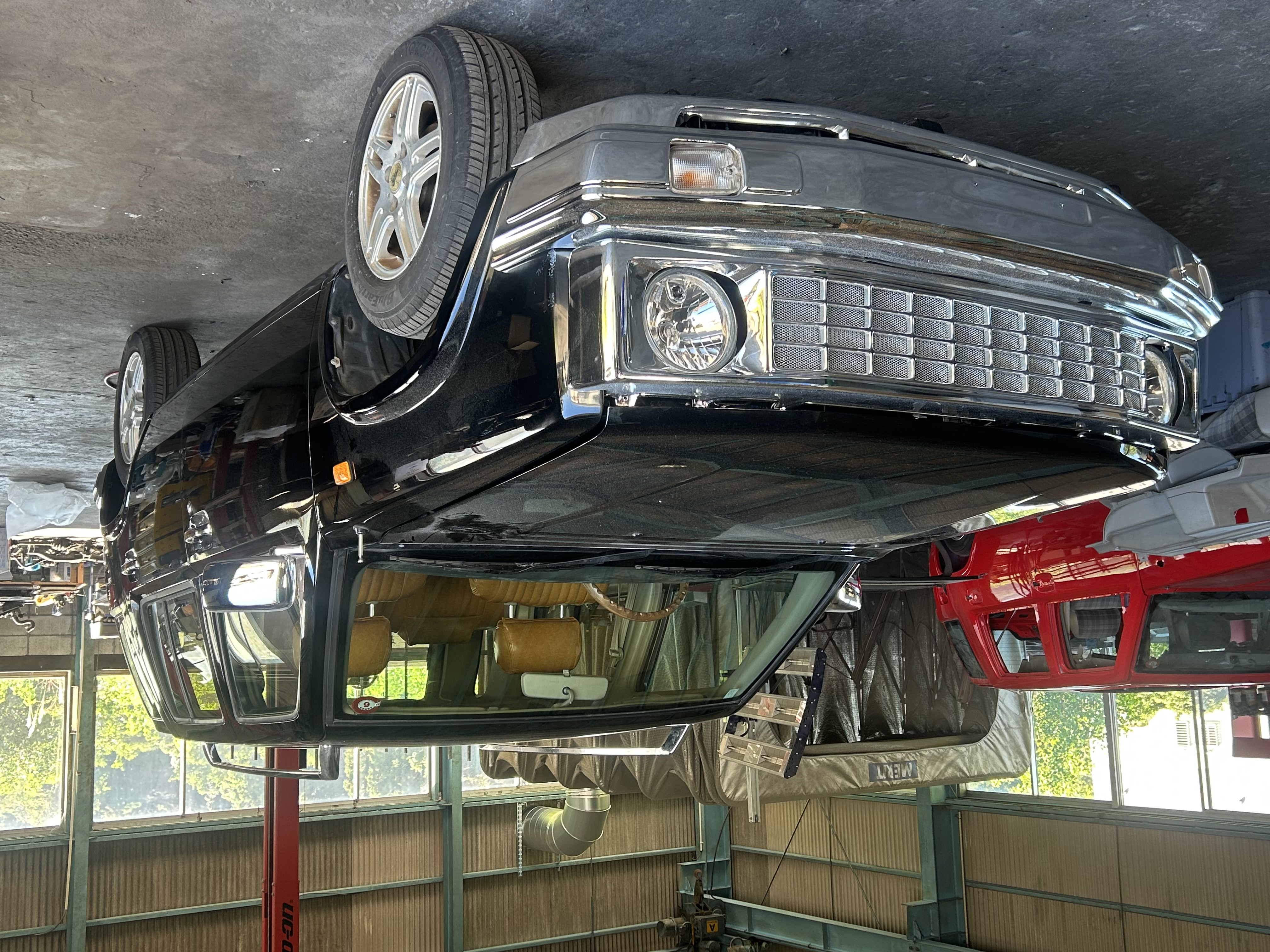
Over thirty years after its debut, the Nissan Rasheen still stops people in their tracks. With its flat sheet metal, vertical glasshouse, and crisp geometric lines, it looks less like a 1990s relic and more like a deliberate, minimalist counter-punch to modern bloated crossovers.
Nissan never intended the Rasheen to tackle the Paris-Dakar Rally or crawl over boulder fields. Instead, it delivered something far more practical: the tidy footprint and easy road manners of a B14 Sunny, the quiet confidence of full-time four-wheel drive, and clean styling that turned mundane commutes into subtle adventures.
Here is the story behind Nissan’s quiet trail-blazer, how the platform developed from modest 1.5-liter commuters to the rare 2.0-liter Forza, and what it actually takes to keep one alive and reliable today.
A Concept Car That Escaped into the Real World
The Rasheen made its public debut as a concept at the 30th Tokyo Motor Show in 1993. Japanese buyers responded immediately, and Nissan pushed the production model into domestic showrooms in late 1994, pitching it as a "compact 4WD" and an early pioneer of the casual crossover.
Context matters here. In the early 1990s, the Japanese 4WD landscape was dominated by tall, heavy ladder-frame workhorses like the Pajero, Hilux Surf, and Safari. The Rasheen broke that mold entirely. Underneath, it utilized proven, unibody passenger-car engineering, giving drivers car-like steering response and easy parking clearance while retaining a rugged, utilitarian five-door wagon silhouette.
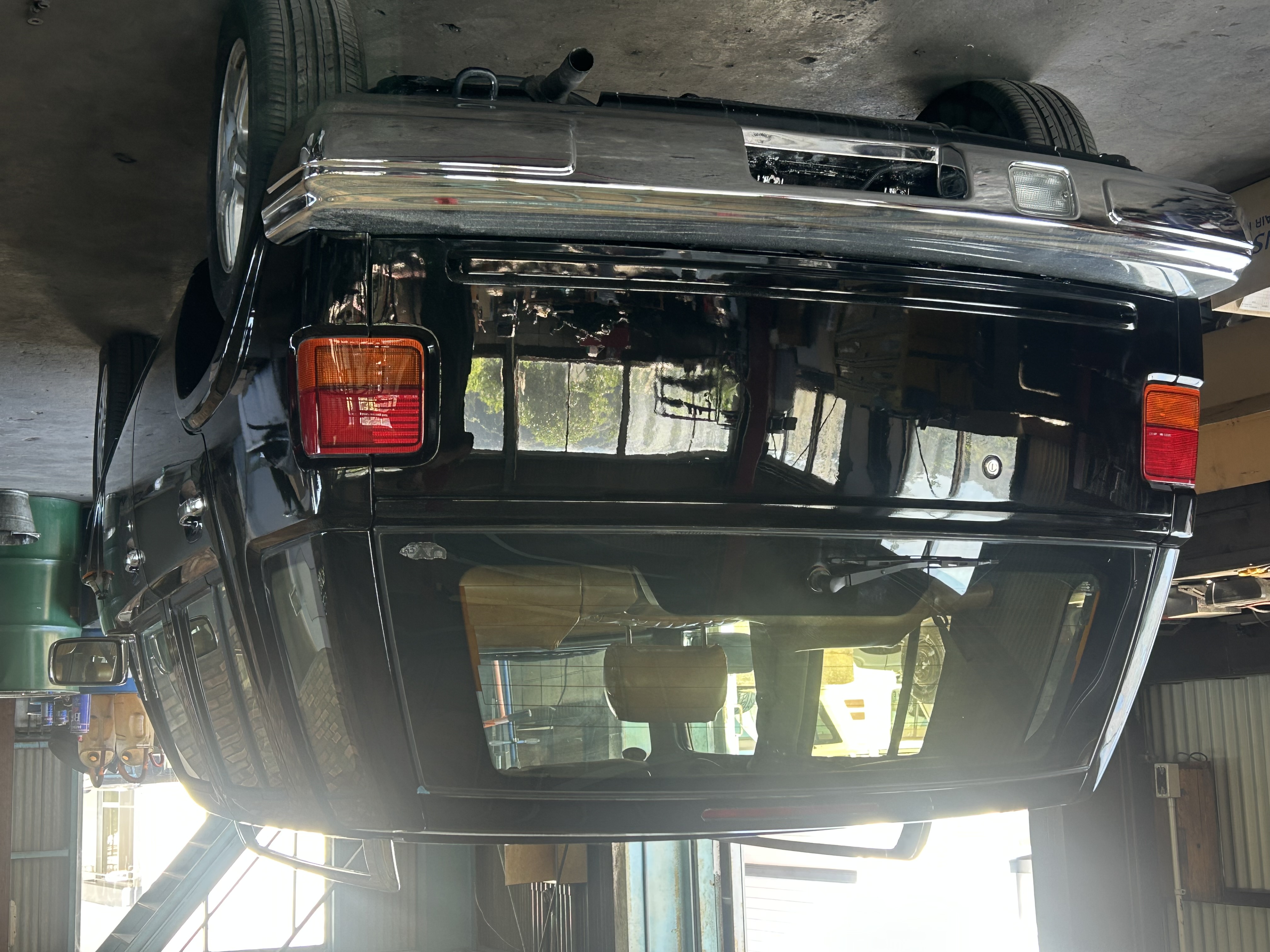
What’s in a Name?
The badge comes from rashinban (羅針盤), the Japanese word for "compass." In early television campaigns, Nissan famously teamed up with the beloved anime character Doraemon and his iconic pink "Dokodemo Door" (Anywhere Door)—framing the Rasheen not as an intimidating off-roader, but as an instant weekend escape hatch from metropolitan life.
The concept was simple: pack a few bags, round up friends, and head toward the mountains or coastline without worrying about slick weather or narrow backroads. The Rasheen’s real innovation was never bleeding-edge tech; it was combining everyday Sunny mechanicals with functional four-wheel traction and timeless retro-modern proportions years before the broader car industry caught on.
Design That Refuses to Age
The Rasheen’s styling is clean without feeling sterile. Its flat beltline, upright pillars, and split-folding tailgate give it an immediate profile that avoids aggressive faux vents, oversized grilles, or disposable plastic cladding.
That restraint is why it has aged with grace. Surrounded by modern traffic dominated by aggressive creases and giant touchscreens, the Rasheen feels refreshingly human in scale. It looks equally at home parked outside a specialty roastery in Shibuya, tucked against a weathered wooden Japanese house, or winding down a snow-dusted mountain road.
Nissan’s design archives frequently link the Rasheen to its celebrated Pike factory lineage (the Be-1, Pao, and Figaro). While it was mass-produced rather than a strictly numbered retro run, it inherited that exact design courage: distinct, confident character that never needed to copy anything else on the road.
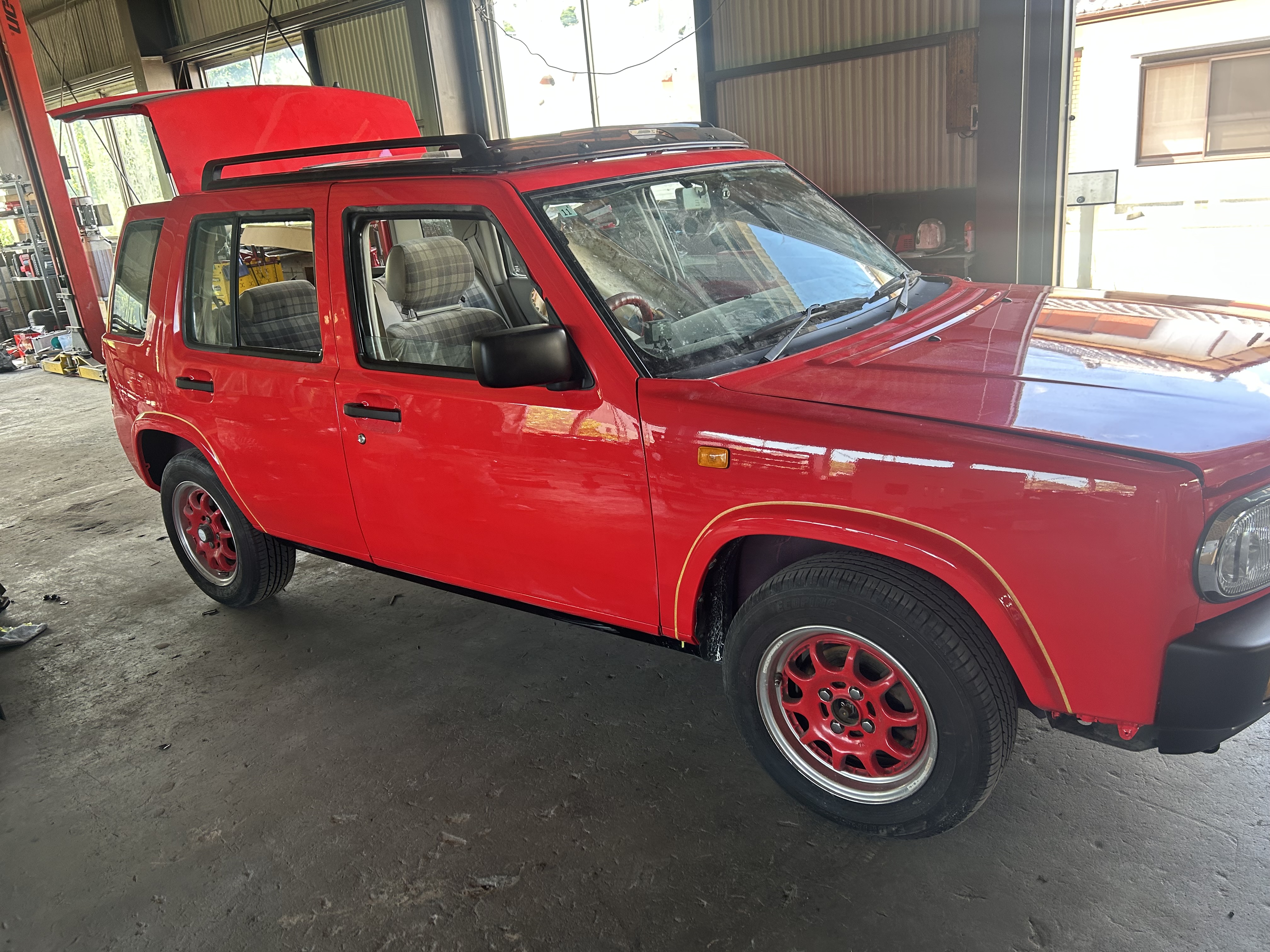
The Rasheen Timeline: 1993–2000
1993: The Rasheen concept debuts at the 30th Tokyo Motor Show to enthusiastic domestic response.
1994: Production launches across Japan with the reliable 1.5-liter GA15DE engine and full-time 4WD.
1997: A mid-cycle refresh brings the 1.8-liter SR18DE-powered "Rasheen ft," providing welcome mid-range torque.
1998: The range-topping wide-body Rasheen Forza launches with the 2.0-liter SR20DE rated at 145 PS.
2000: Assembly ends in August, wrapping up a distinctive six-year chapter in Nissan design history.
Three Engines, Three Personalities
While every Rasheen shares the same practical unibody architecture, engine selection defines the driving experience. Choosing the right spec comes down to how you plan to use it—and, more critically today, finding a chassis with verifiable mechanical history.
Rasheen 1.5 (GA15DE)
Specs: 1,497 cc, DOHC, 105 PS
Character: The pure, original formula. Mechanically bulletproof, simple, and relaxed around town.
Best For: Enthusiasts who prioritize factory originality, easy daily servicing, and the broadest reproduction parts support.
Rasheen ft 1.8 (SR18DE)
Specs: 1,838 cc, DOHC, 125 PS (introduced in 1997)
Character: A welcome torque bump with effortless 100 km/h highway cruising, all while preserving the classic narrow-body profile.
Best For: Drivers taking frequent highway trips, carrying full passenger loads, or hauling weekend camping gear.
Rasheen Forza 2.0 (SR20DE)
Specs: 1,998 cc, DOHC, 145 PS (1998–2000)
Character: Distinctive wide-body attitude, quad round headlamps, and punchy SR20 pull.
Best For: Experienced collectors who understand parts curation, want the rare flagship spec, and have the patience to track down scarce exterior trim.
Horsepower numbers on paper only tell half the story. A well-sorted 1.5-liter car will run rings around a tired 1.8 or a neglected Forza when it comes to daily reliability. At 25 to 30 years old, frame integrity, rust status, cooling system health, and documented maintenance dictate your ownership experience far more than the badge on the hatch.
Why It Faded—and Why It Found a Second Life
When production wrapped in 2000, Japanese consumers mostly saw the Rasheen as a charming, slightly quirky wagon that had run its natural course. But over the following decade, the global market pivoted right into the footprint Nissan had built: compact, car-based platforms delivering everyday utility with a lifestyle edge.
The Rasheen’s international resurgence isn't driven by speed or status. It stands out because its design values have all but vanished from modern dealer lots. It is compact, light on its feet, mechanically honest, and distinct without looking angry.
Outside Japan, there is also the joy of obscurity. Unlike Skylines, Silvias, or Land Cruisers, most people outside domestic JDM circles have never seen one in person. Stop for fuel in a tidy Rasheen, and you will invariably spend ten minutes fielding questions from curious onlookers.
The Reality in the Shop: Age Beats Mileage
Every Rasheen on the road today is a verified classic. A 40,000-kilometer odometer reading guarantees very little on its own. Rubber weather seals dry out, radiator tanks turn brittle, and suspension bushings harden over time regardless of whether the car was driven or left sitting under a carport.
A proper pre-purchase inspection has to go well beyond glossy paint:
Structural Rust: Floor pans, rear inner wheel wells, subframe mounts, and the lower rocker seams.
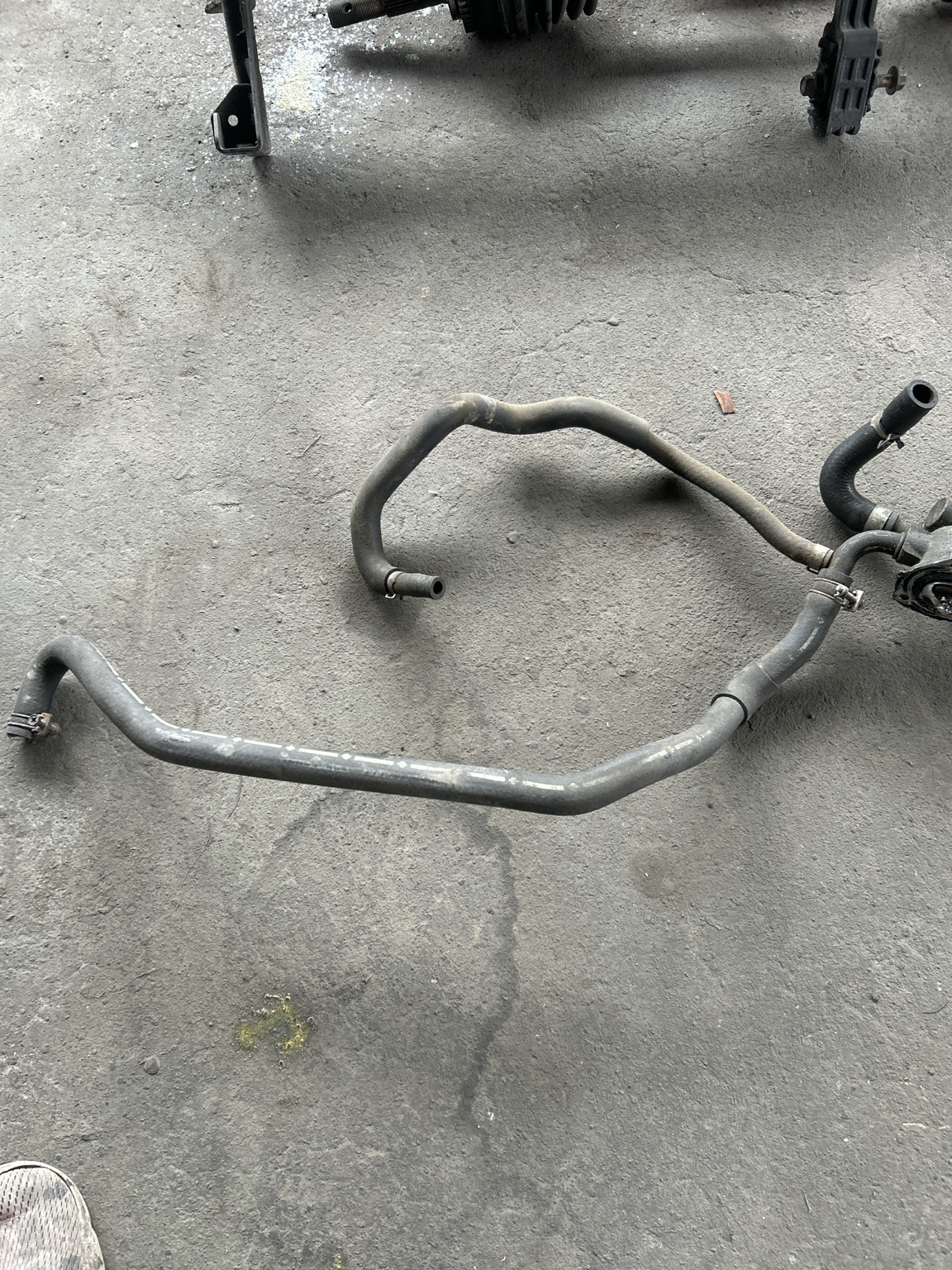
Cooling Hardware: Molded bypass hoses, heater cores, radiator end-tank hairline cracks, and water pump weep holes.
Engine Baseline: Cylinder compression balance, timing chain noise, distributor internal O-rings, and oil seals.
Drivetrain Operation: Front-to-rear viscous coupling behavior, smooth automatic gear engagement, and rear differential seals.
Suspension & Steering: Trailing arm bushings, strut mount degradation, wheel bearings, and brake caliper slides.
Cabin Plastics: Sun-baked cluster bezels, power window switch assemblies, and outer door seals.
Two Rasheens with identical mileage can sit worlds apart in real mechanical condition. In this segment, the cheapest auction car is almost guaranteed to be the most expensive one you will ever own.
The Modern Parts Reality
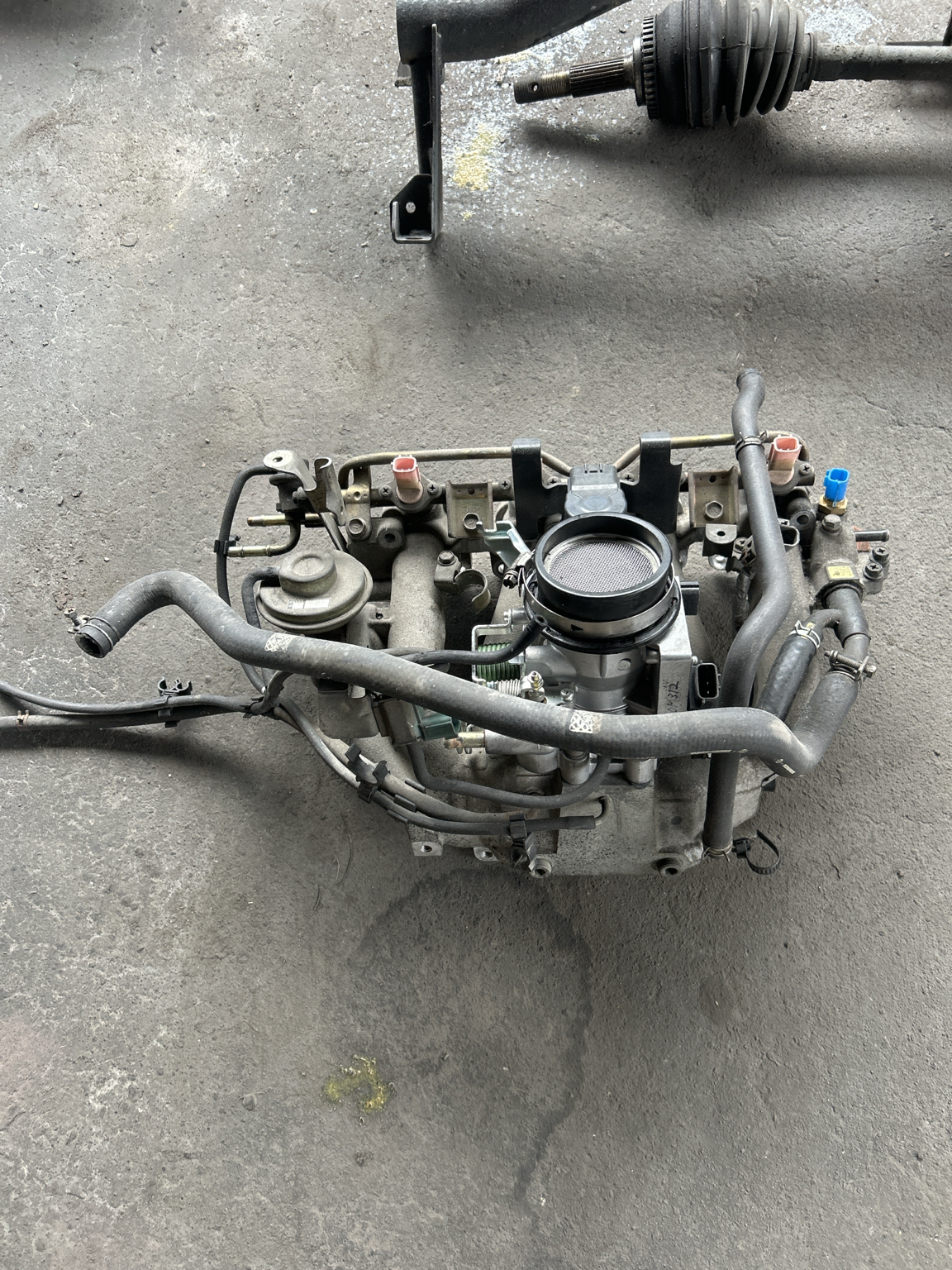
Original Nissan Rasheen parts did not disappear overnight. Over the past decade, factory stock ran out part by part. For casual owners and general workshops, it was manageable—until a routine service hit an obsolete part number.
A mechanically solid engine is useless if a custom-molded coolant elbow or proprietary hatch seal is completely unavailable from the factory. That parts ceiling is what separates running a conventional modern commuter from maintaining a 1990s JDM platform.
The Forza Factor
The 2.0-liter Forza carries the highest risk. Routine engine consumables for the SR20 are easy to source, but the model-specific body panels, quad headlight assemblies, widened bumpers, and interior fabrics are long discontinued. Sourcing replacement exterior components often requires hunting down rare used Japanese auctions. If you buy a Forza, make sure it is 100% complete before closing the deal.
In-House Reproduction: Keeping the GA15DE Alive
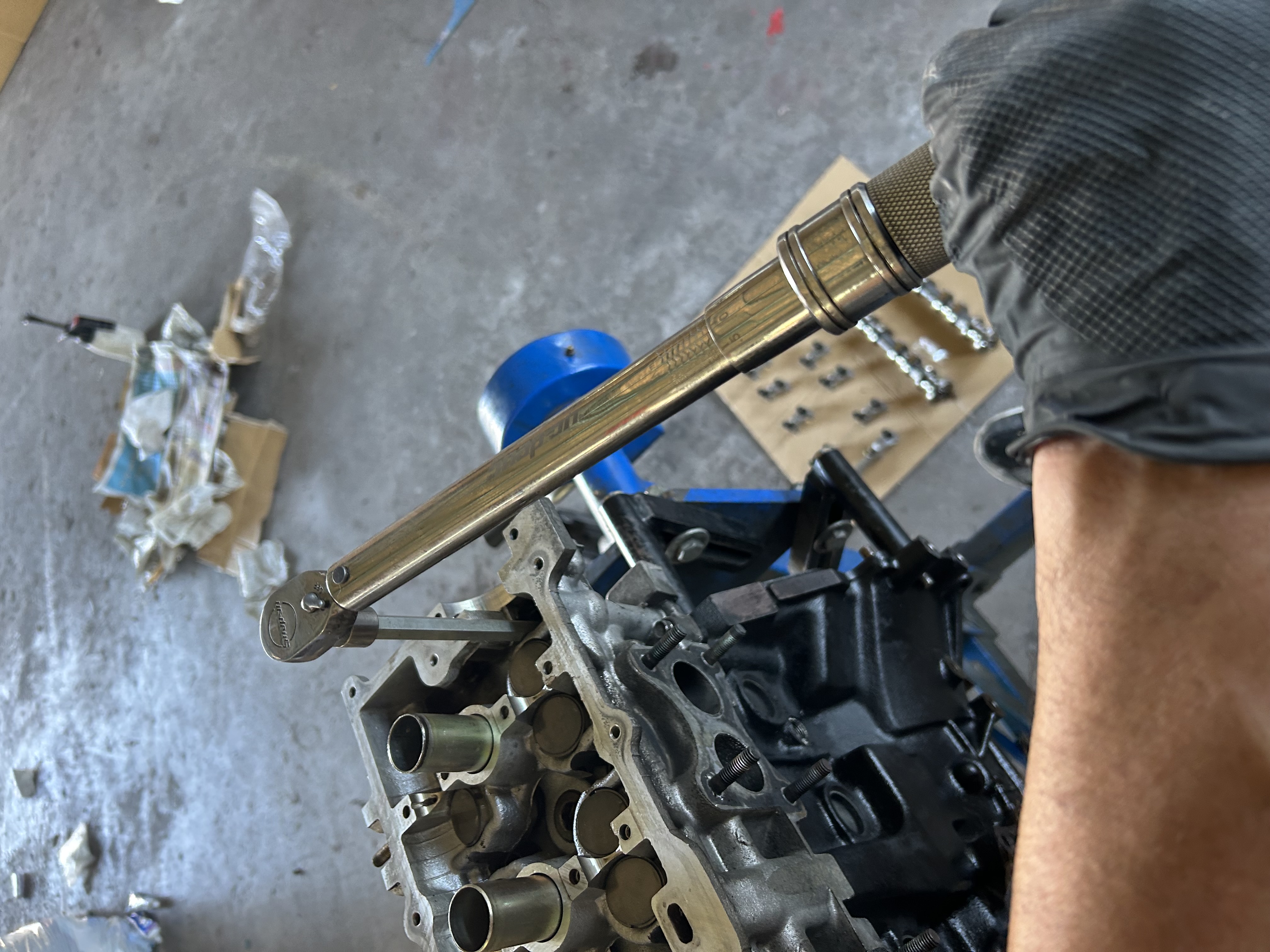
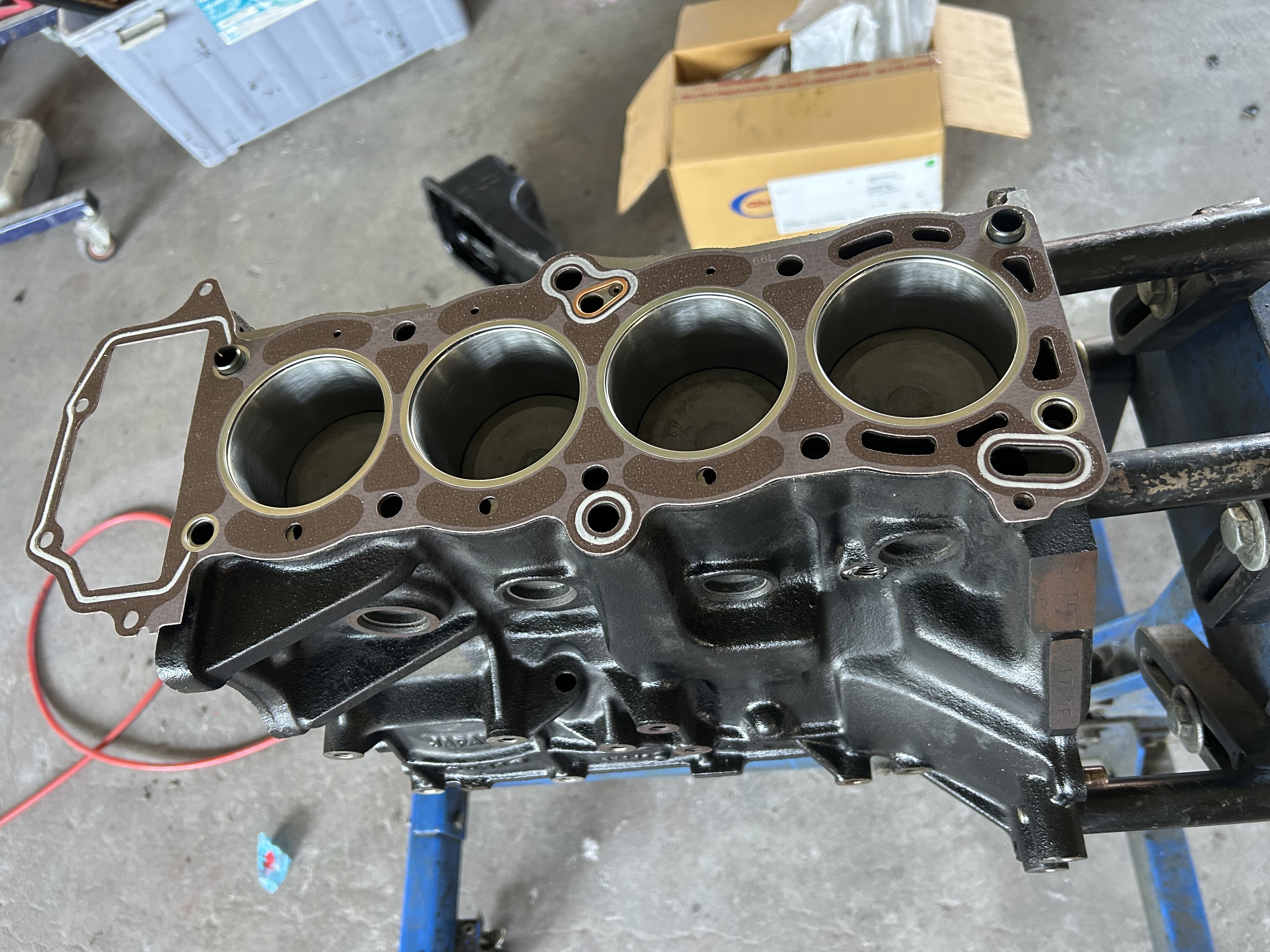
To keep these cars on the road, Rasheenkan took development into our own hands. We engineer OEM-standard reproduction wear items specifically for the 1.5-liter GA15DE platform, prioritizing the critical components that keep the car running—starting with discontinued molded cooling and heater hoses.
Producing reliable replacements takes more than taking physical measurements. Ensuring long-term reliability means selecting the right EPDM elastomer blends, testing heat cycling durability, matching wall thicknesses, and verifying clamp bead retention under real driving conditions. Our daily restoration bench shows us firsthand which factory components fail first and where preventive replacement is mandatory.
Inspected OEM & Recycled Inventory
When a factory part is out of production and not yet viable for reproduction runs, tested original components fill the gap. Rasheenkan maintains an active in-house inventory of cleaned, bench-tested original parts salvaged from donor chassis over the past twenty years.
To help owners and independent garages worldwide, we are currently launching a dedicated international parts catalog detailing our reproduction lines, inspected NOS hardware, and factory schematics.
Restoration Means More Than Fresh Paint
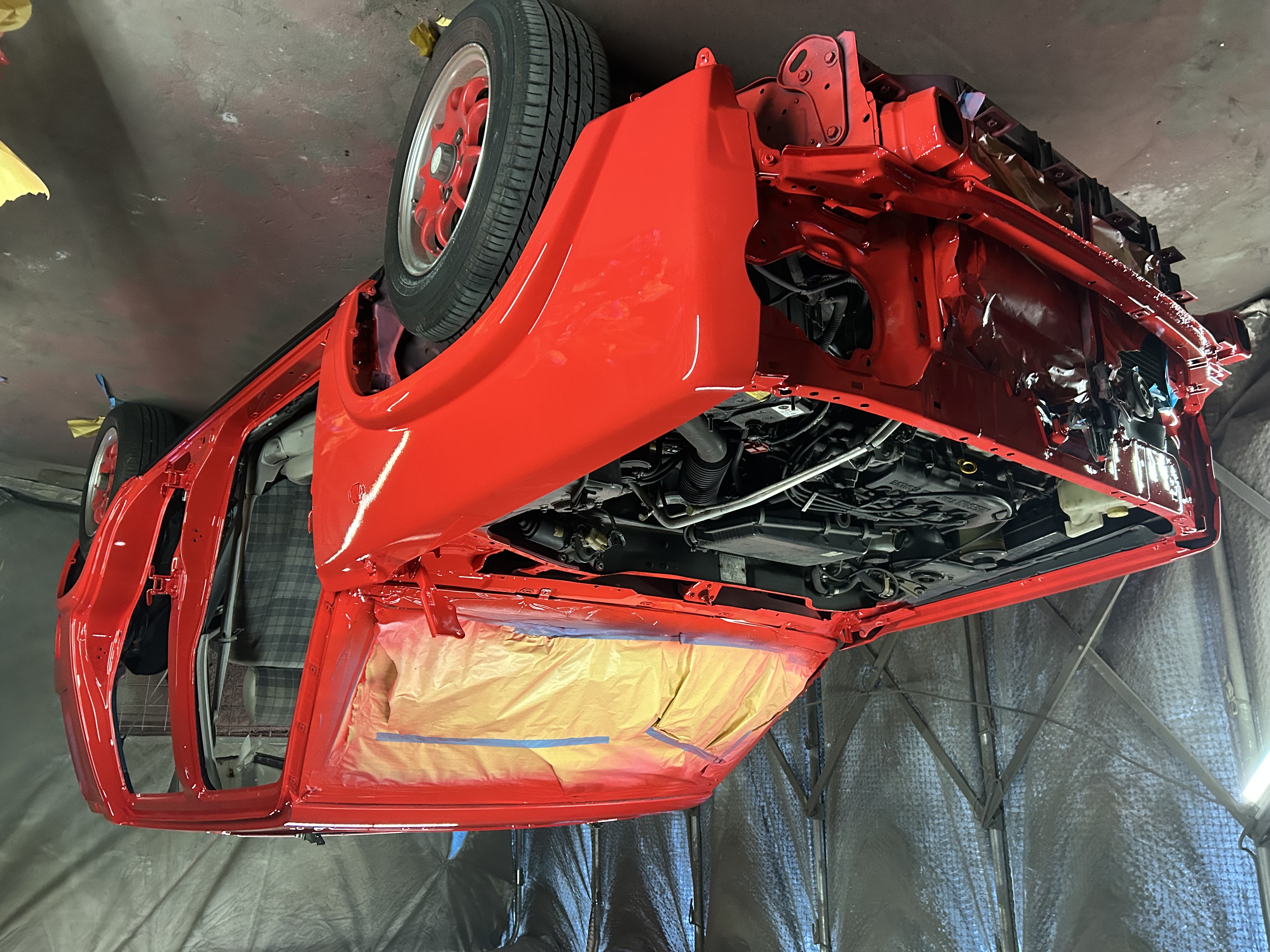
Rasheenkan has focused exclusively on the Nissan Rasheen since 2003. Our work goes far deeper than a quick cosmetic refresh; we strip aging platforms down, eliminate structural oxidation, and mechanically baseline each car for tens of thousands of reliable kilometers ahead.
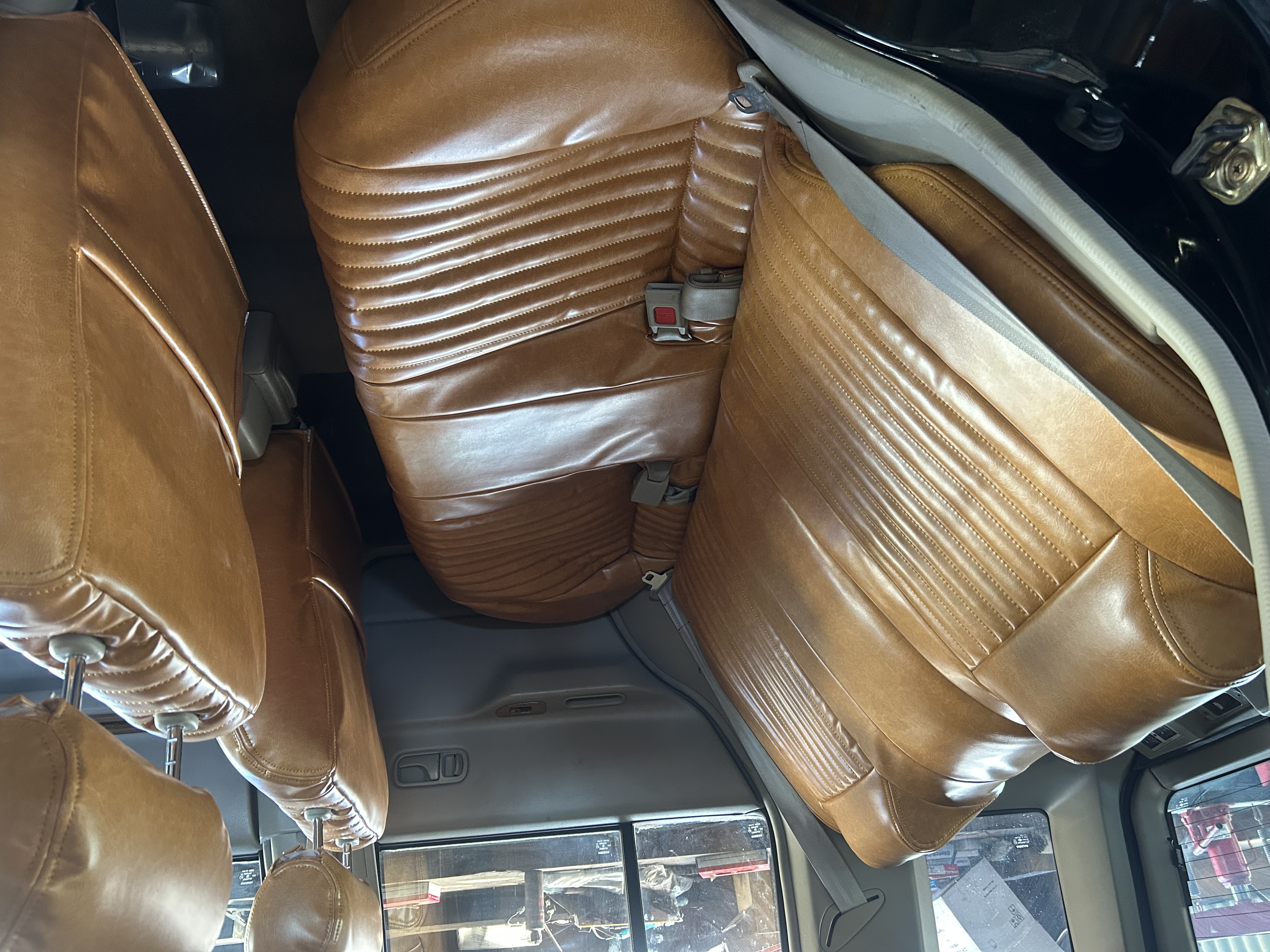
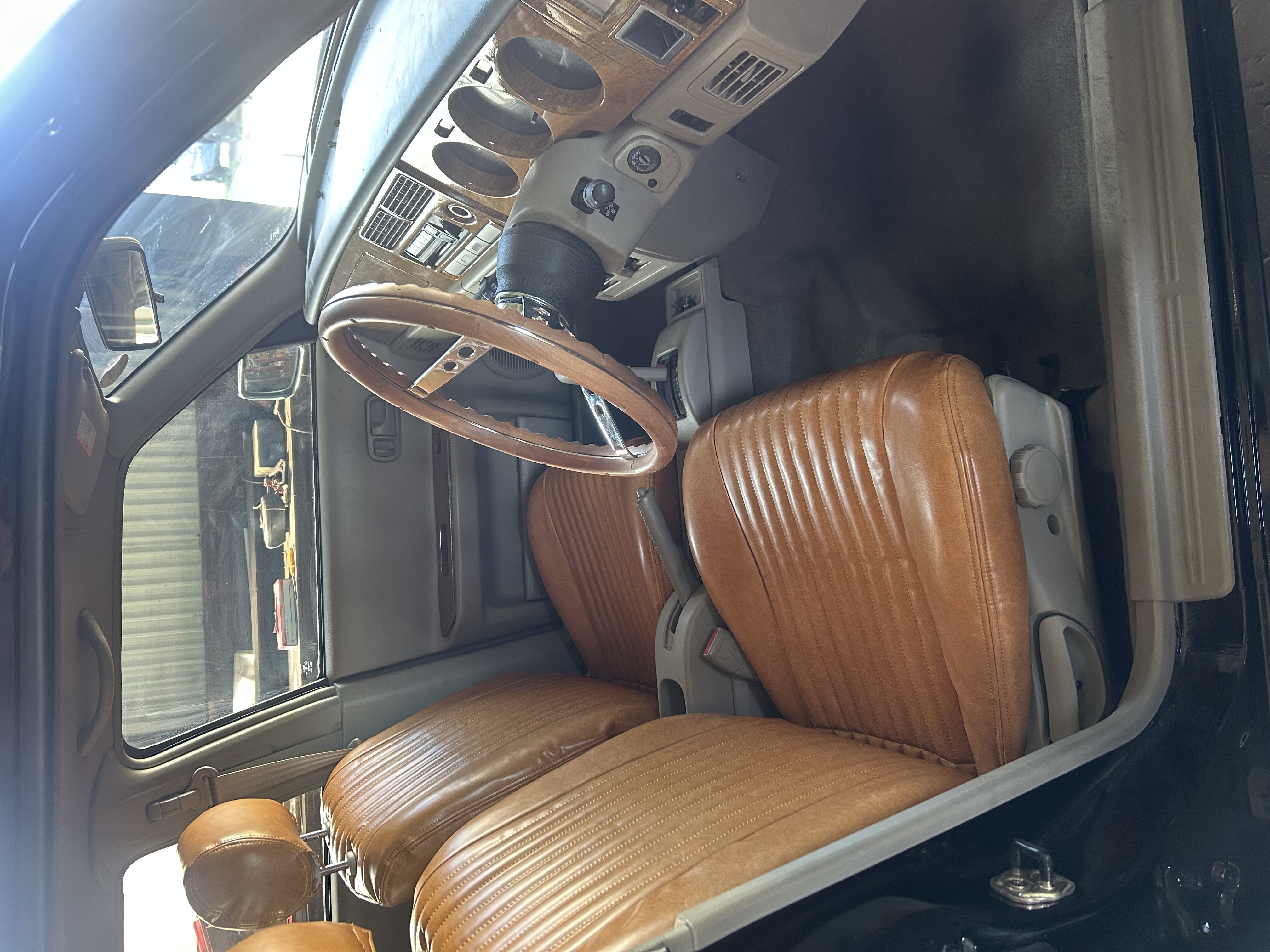
That standard includes glass-out rust mitigation, complete engine resealing, suspension rebuilds, tailored interior re-upholstery, and fitting our updated cooling hardware. The most important work on a vintage car is usually what sits hidden beneath the carpets or tucked inside the inner fender liners.
Personalization should also respect the car's utilitarian spirit. Choosing period-correct interior tweeds, balanced wheel fitments, and functional switchgear maintains the car's soul rather than turning it into an unfocused catalog build.
A properly restored Rasheen shouldn't just look great in a photo. It should fire up instantly on a freezing morning, idle quietly in summer traffic, track dead straight on the highway, and deliver total reliability wherever you point the compass.
Which Nissan Rasheen Fits Your Garage?
For most drivers, the 1.5-liter is the sweet spot. It captures the unadulterated retro aesthetic and benefits from the strongest reproduction parts network. The 1.8-liter Rasheen ft offers that extra highway passing power while maintaining the classic narrow-body profile. The 2.0-liter Forza is best reserved for collectors seeking brute rarity, quad-headlight attitude, and punchy performance who are prepared for parts curation.
Regardless of trim, our golden rule remains unchanged: always buy the cleanest structural shell and the most transparently serviced example you can locate. Paint finishes and bolt-on accessories can always be updated later. Deep floorpan rust, sloppy seam welding, and decades of deferred maintenance will drain your wallet fast.
Find a Rasheen built right in Japan: browse our current build lineup or reach out directly to discuss your dream specification.
Frequently Asked Questions
- When was the Nissan Rasheen produced?
Nissan began series production in December 1994 following its 1993 Tokyo Motor Show concept preview, wrapping up final assembly in August 2000.
- Is every Nissan Rasheen four-wheel drive?
Yes. Every Rasheen came standard from the factory with permanent four-wheel drive. 1.5-liter models rely on a viscous coupling center differential, while 1.8-liter and 2.0-liter models feature Nissan's ATTESA full-time 4WD system.
- What engines were offered across the production run?
Three twin-cam inline-fours were available: the standard 1.5-liter GA15DE (105 PS), the 1.8-liter SR18DE (125 PS) introduced in 1997, and the range-topping 2.0-liter SR20DE (145 PS) exclusive to the 1998–2000 Forza.
- Are replacement parts for the Rasheen Forza hard to find?
Yes—exceptionally so. While routine SR20 engine consumables are straightforward to source, the Forza’s wide-body fenders, quad headlamp clusters, and bespoke front bumper are long discontinued. Always have a Forza inspected to verify that all exterior trim is present before purchasing.
- Does Rasheenkan supply parts internationally?
Yes. We manufacture vital reproduction items for the 1.5-liter chassis (including high-failure molded cooling hoses) and stock inspected, bench-tested original parts. Our international online parts catalog is launching soon to support owners and independent shops globally.
- Is the Nissan Rasheen a serious off-roader?
No. Nissan engineered the Rasheen as a practical, unibody passenger wagon with four-wheel traction, not an aggressive rock crawler. With four-wheel independent strut suspension, it excels on snow, unpaved gravel tracks, and wet forest service roads rather than extreme boulder courses.
- Can a Nissan Rasheen be legally imported to the United States?
Yes. Because production ended in August 2000, all model years are over 25 years old and fully exempt from federal FMVSS standards under the US 25-year import rule. Individual state requirements (such as California CARB compliance) still apply.