Nissan Rasheen Lower Ball Joint Dust Boot Replacement
The Nissan Rasheen is well past the 25-year mark. Even on clean, low-mileage examples, factory rubber bushings and boots dry out and crack with age.
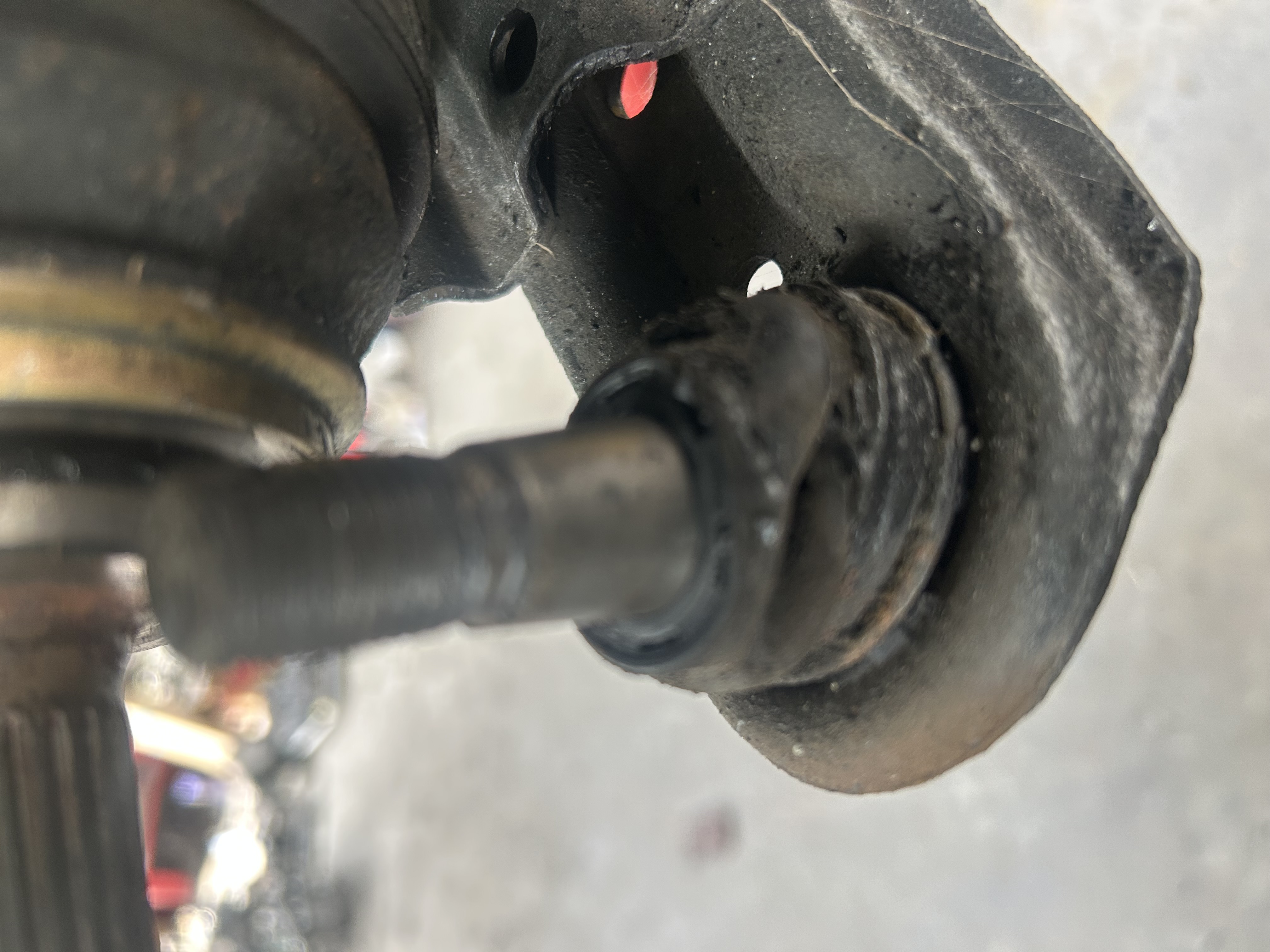
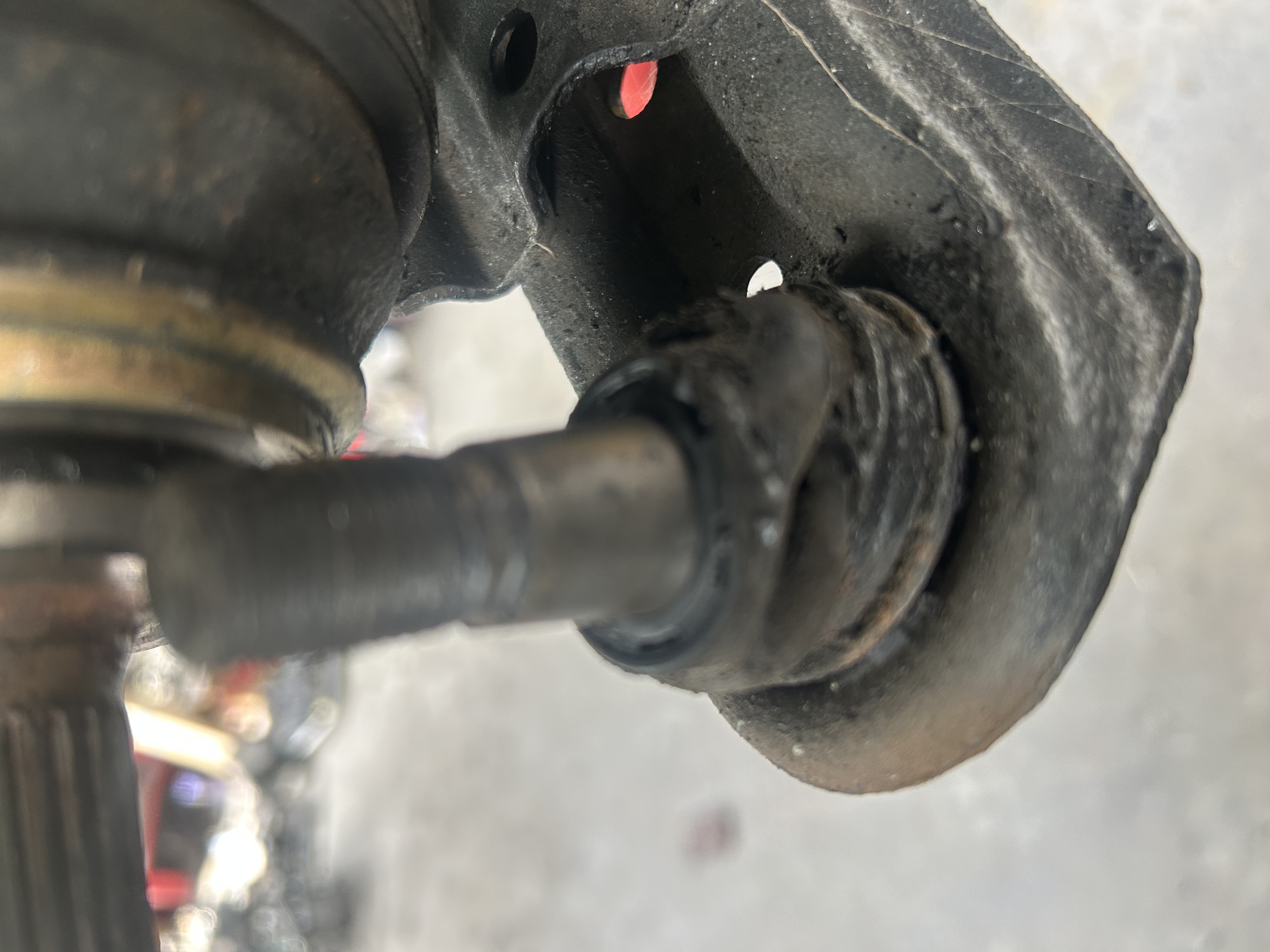
During a routine chassis inspection, we spotted deep cracking across this Rasheen’s front lower ball joint boot. Because this joint carries steering and suspension loads, replacing the boot before road grit could destroy the internal bearing surfaces was an easy call.
Why a Split Boot Matters
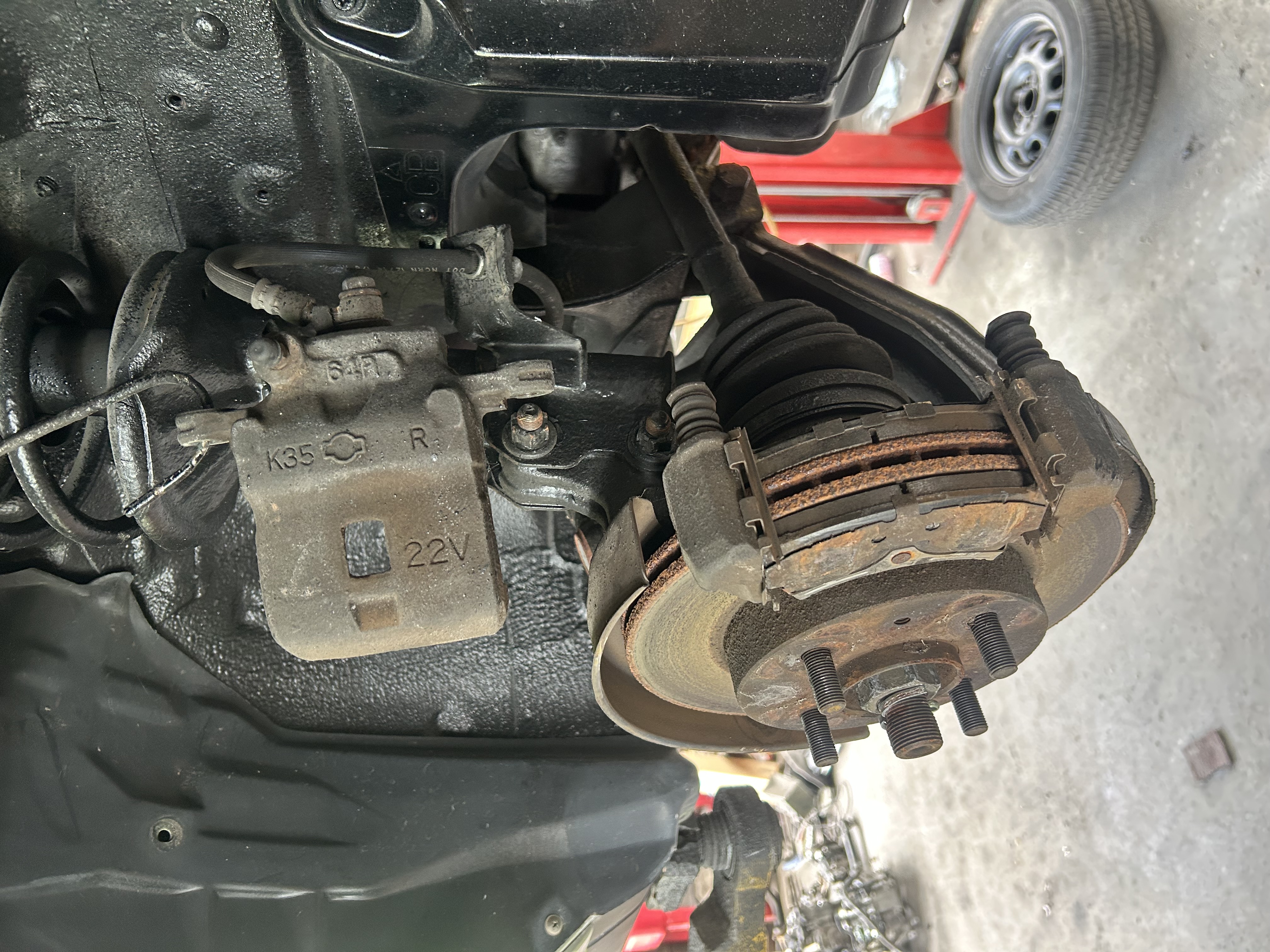
The lower ball joint connects the control arm to the steering knuckle, allowing the front wheels to pivot and track over uneven surfaces. It relies on heavy-duty grease sealed inside a flexible rubber boot to do its job.
Once that rubber perishes, grease slings out and road debris creeps in. That wear quickly turns into front-end clunks, vague steering, and uneven tire wear. Catching boot failure early preserves the original ball joint and prevents an unnecessary, costly control arm replacement down the road.
Disassembly and Inspection
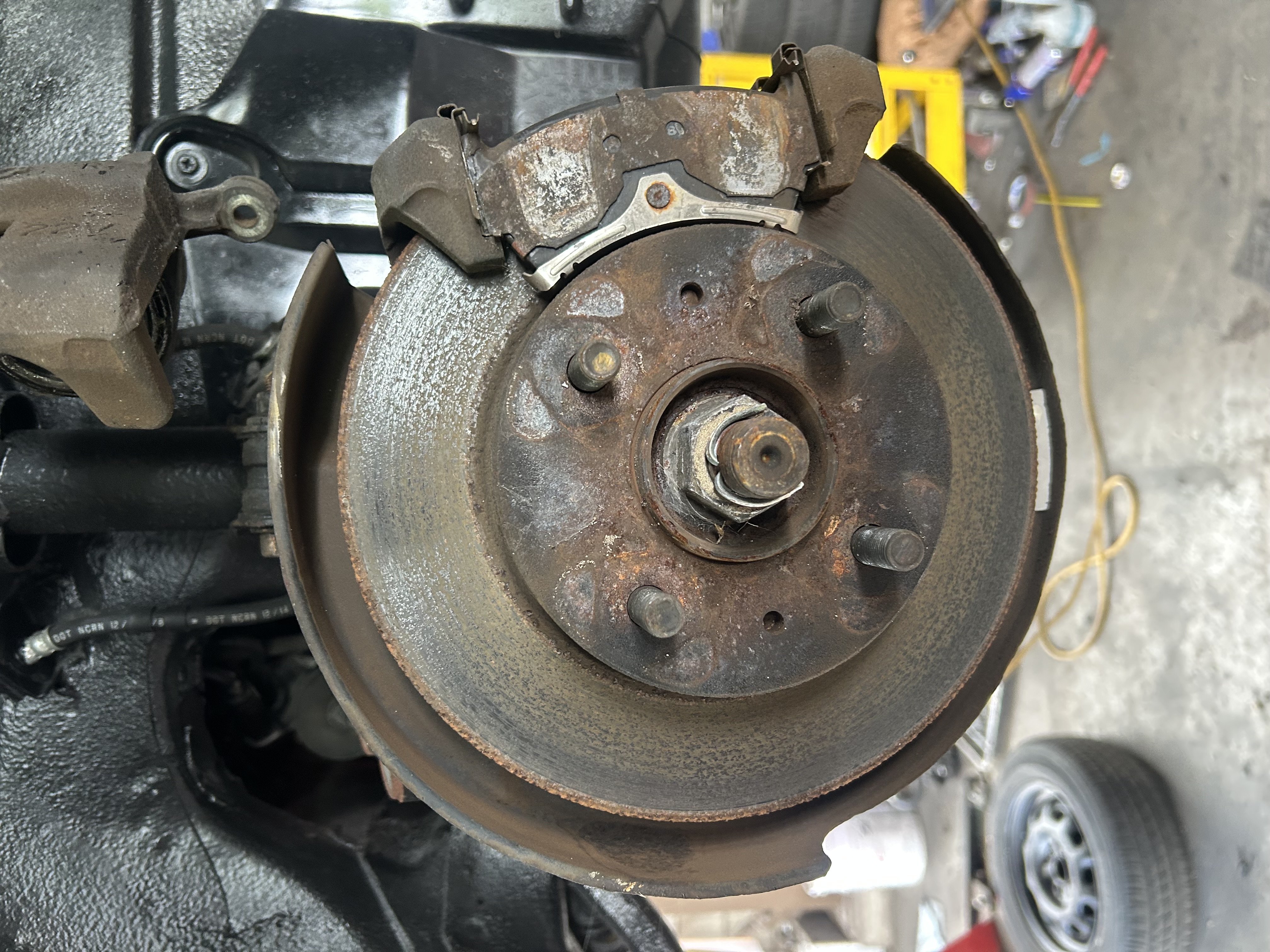
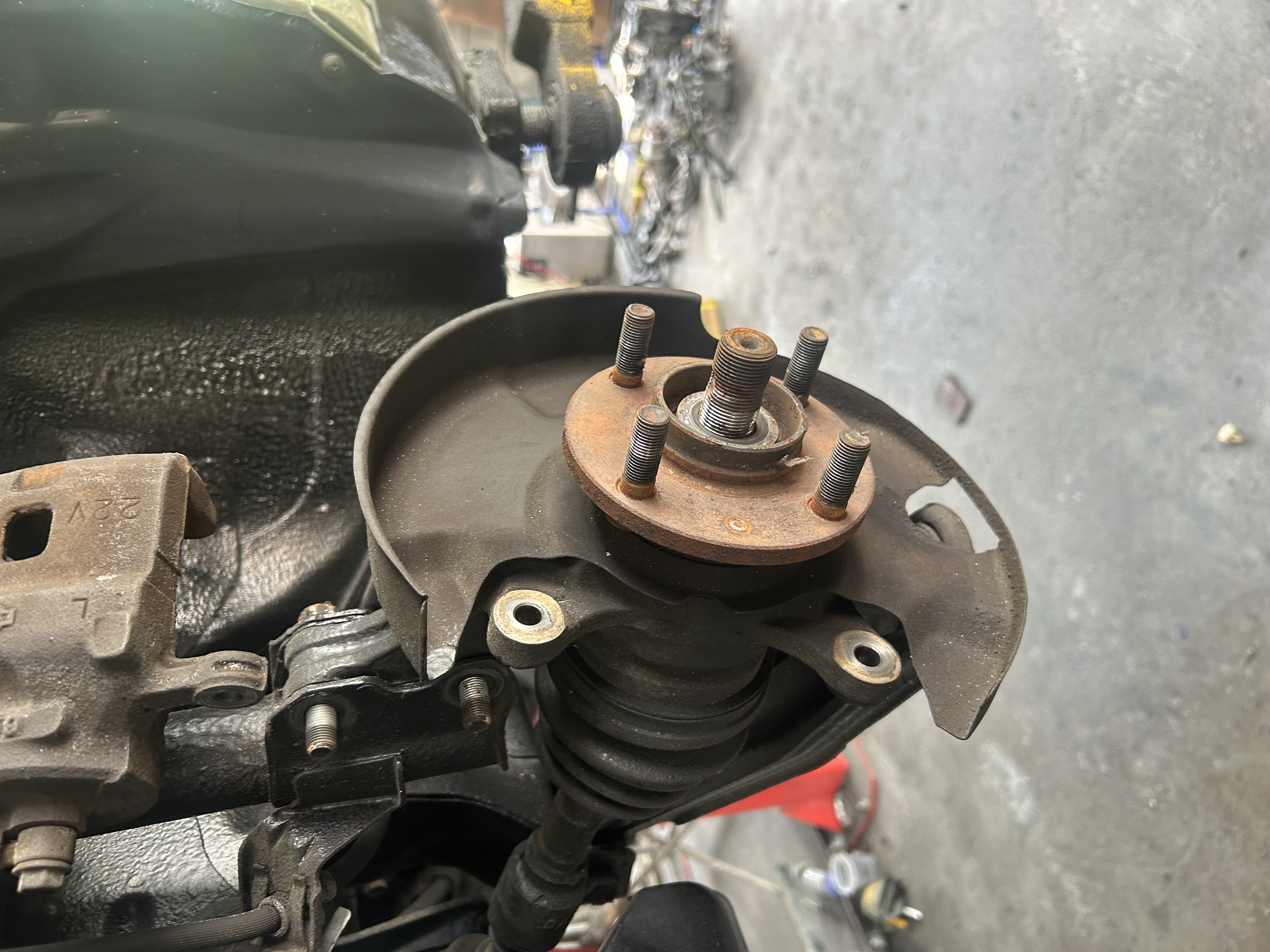
We stripped down the front knuckle and brake assembly to access the joint. Because vintage Rasheen-specific chassis hardware is getting harder to source, we take our time during teardown—protecting original threads, brackets, and brake lines from unnecessary strain.
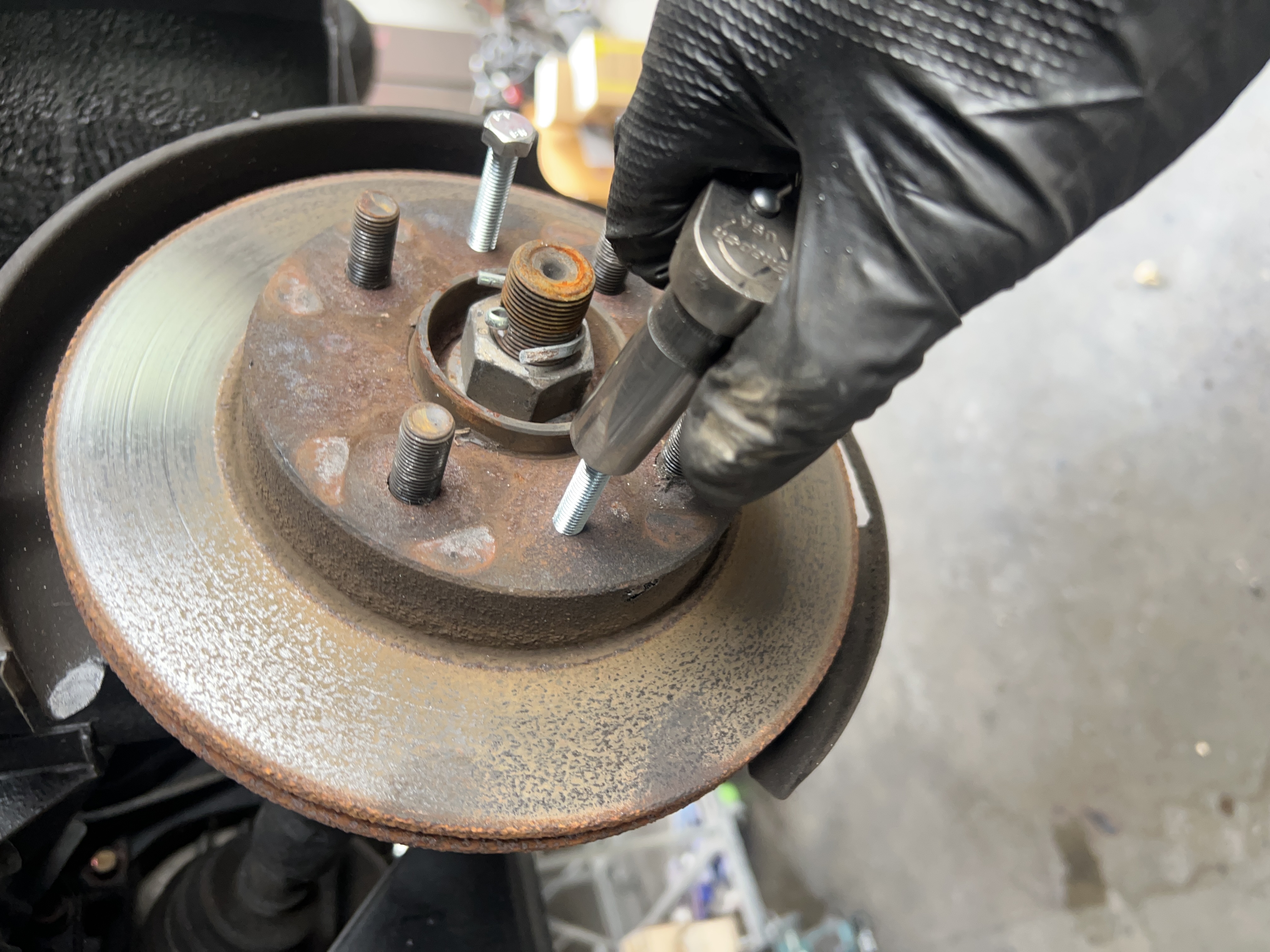
Separating the ball joint stud from the knuckle confirmed what we suspected: the factory rubber had hardened, lost its elasticity, and developed through-splits. The internal polished stud was right on the verge of being exposed to grit and road grime.
Cleaning and Repacking with Fresh Grease
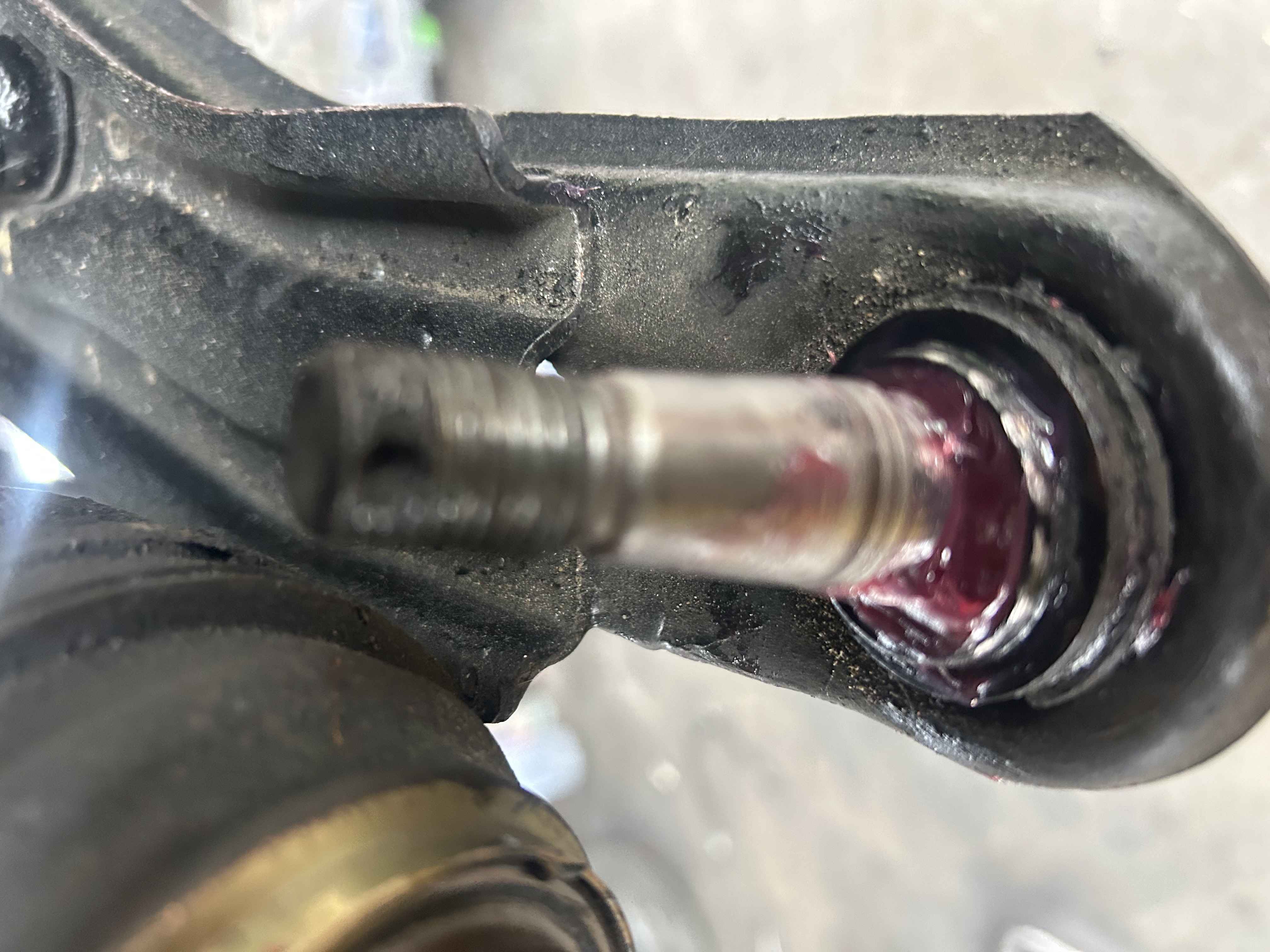
We removed the damaged boot, thoroughly degreased the joint, and checked the ball stud for scoring or radial play.
With the internals confirmed tight and clean, we repacked the joint with high-grade suspension grease. Slapping a fresh boot over old, contaminated grease only leaves the job half-done.
Installing the Replacement Boot
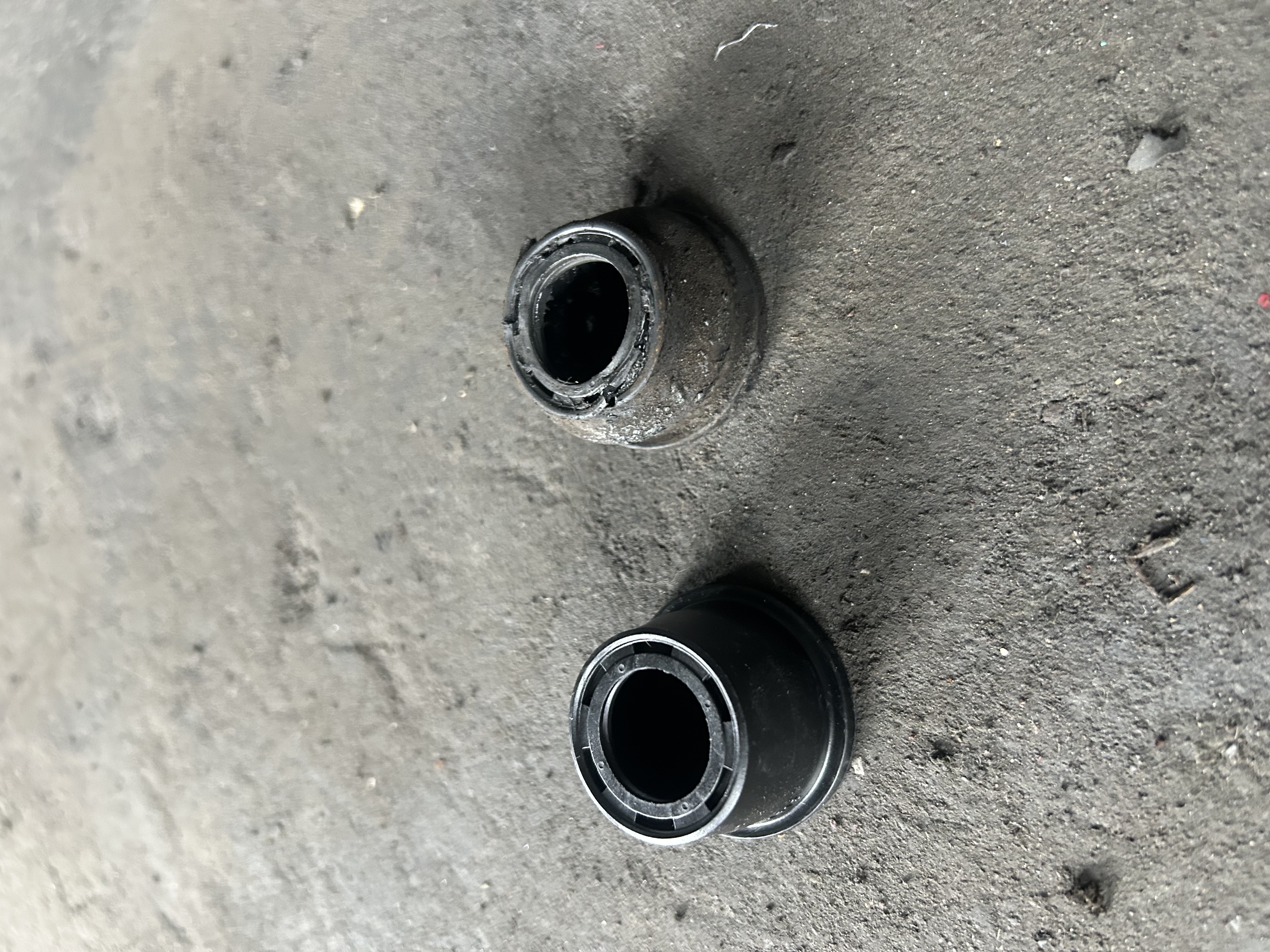
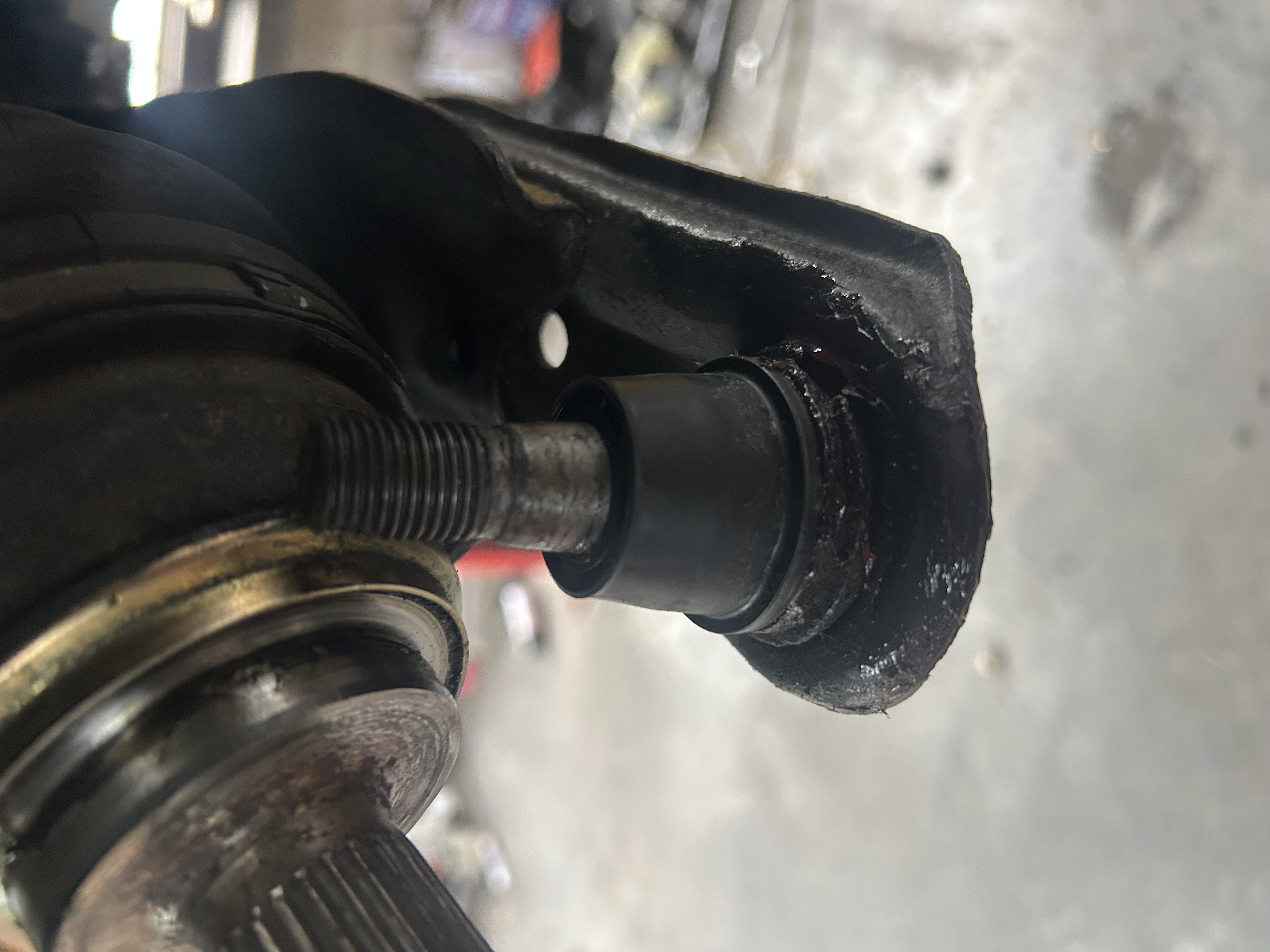
Side by side, the difference is immediate.
The original boot was brittle and collapsed, while the replacement rubber is pliable, holds its factory shape, and creates an airtight seal against the knuckle seat.
We seated the new boot securely onto the housing, confirming the retention lip sat flush without pinching or binding. With the boot seated, all suspension links and brake hardware were torqued back to factory spec, followed by a sweep check across the steering range to ensure clean, bind-free articulation.
Small Details, Long-Term Reliability
A ball joint dust boot is a simple wear item, but it protects one of the most critical pivot points on the car.
Preserving a 90s classic like the Rasheen takes more than fresh paint and custom upholstery—it comes down to sorting the mechanical hardware underneath. That shop-floor care is what keeps these cars tight, reliable, and rewarding to drive every day.
If you’re looking to source, restore, or build a custom Nissan Rasheen from Japan, get in touch with the team at Rasheenkan. We handle everything from complete chassis overhauls to bespoke paint, interior, and mechanical setups tailored to your spec.