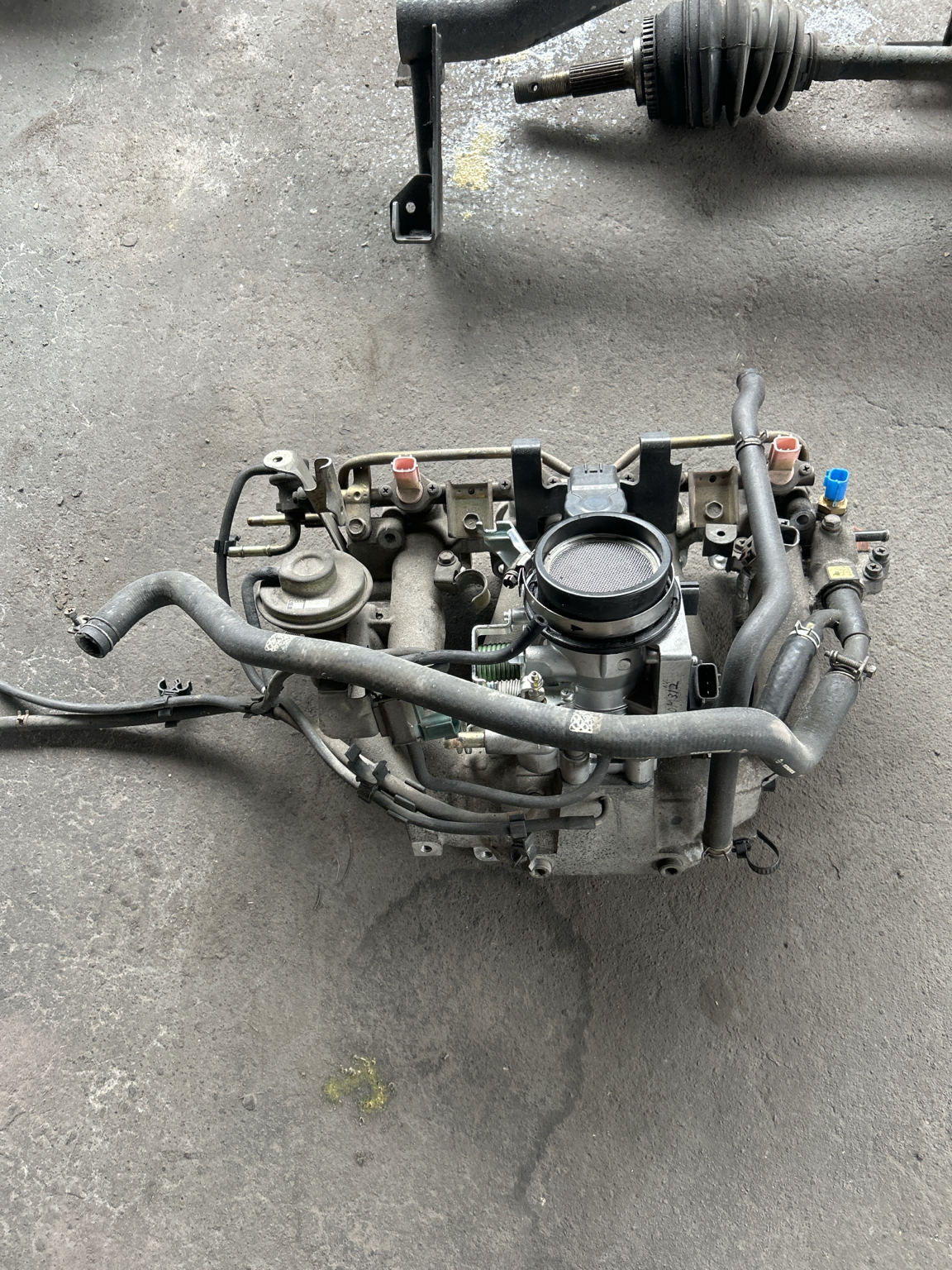
Small Hoses, Serious Consequences
We are currently reproducing three discontinued coolant hoses for the 1.5L GA15DE Rasheen: two heater core hoses and one throttle-body bypass line.
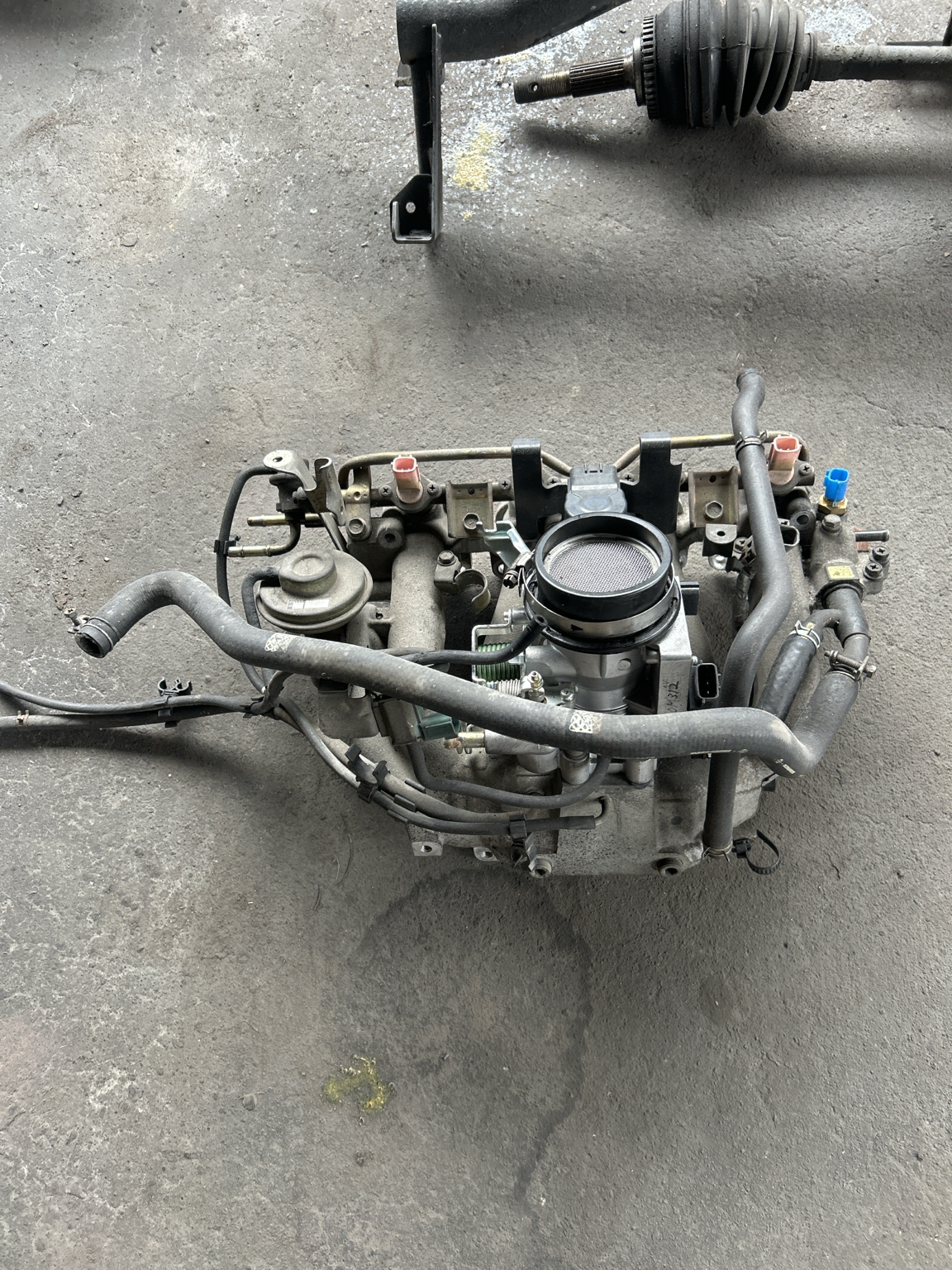
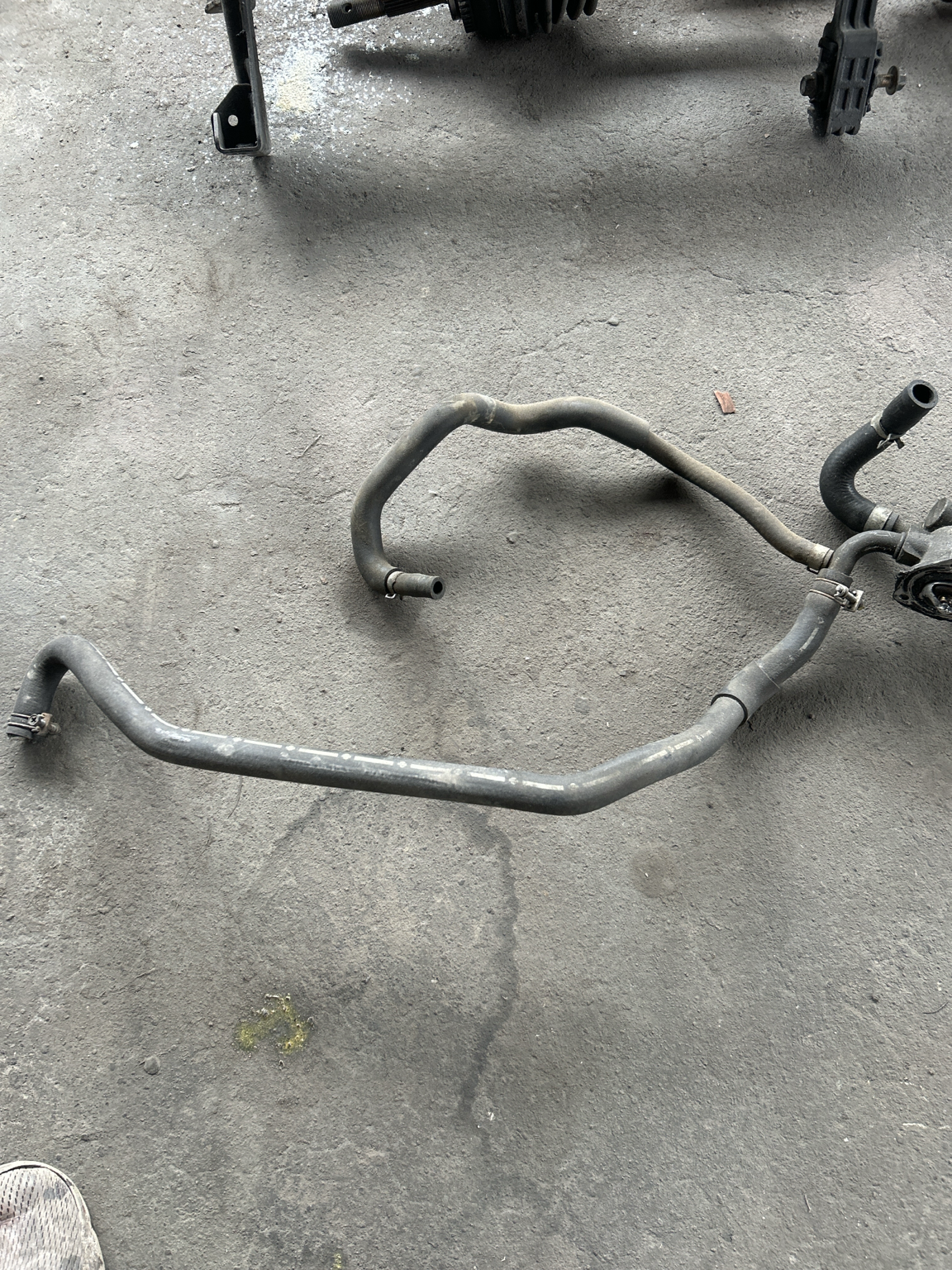
They might look like ordinary rubber lines, but they keep the entire cooling system honest. If one splits, you risk rapid coolant loss, severe overheating, and a blown head gasket.
Why the Heater Hoses Must Be Replaced
Whenever an engine comes out of a Rasheen for a restoration or overhaul, these two heater hoses have to be pulled.
After 25-plus years of heat cycles and pressure, original rubber turns hard and brittle, practically baking itself onto the heater core hard-pipes. Even if a hose looks intact on the car, prying it off usually tears the inner sealing lip or creates micro-cracks.
Reusing them practically guarantees a coolant leak right after you drop a freshly rebuilt motor back into the bay.
Why Temporary Fixes Don't Cut It
You might be able to patch a weeping hose with sealant, but that’s strictly a roadside band-aid. RTV can't put tensile strength or elasticity back into dried-out rubber.
A Rasheen rolling out of our workshop shouldn't be built just to survive the season. Our benchmark is tens of thousands of trouble-free miles down the road.
Why Factory-Molded Geometry Matters
These aren't straight runs where you can get away with universal bulk hose from a parts store.
Each hose has tight, factory-molded bends designed to clear the firewall and intake without kinking, rubbing, or restricting coolant flow. Forcing generic hose into these radiuses puts constant stress on the fittings and pinches off flow. Replicating Nissan's original contours down to the millimeter is the only way to get a clean install that lasts.
Remanufacturing NLA Parts to Keep the Rasheen Running
Nissan may have discontinued the genuine parts, but the cars aren't going anywhere. We took the initiative to tool up and produce all three lines so every engine build leaves our shop with brand-new, purpose-built plumbing.
Every hose is tested for fitment, clearance, and pressure-sealing on actual test mules before release. Tooling custom small-batch rubber takes time and serious commitment, but it’s the only right way to do it. When Nissan drops critical parts from the catalog, we step in and remanufacture them ourselves.
Keeping the Spirit Alive
For us at Rasheenkan, reproducing discontinued parts isn’t just about tooling rubber or keeping inventory on the shelf. It’s about making sure these cars stay where they belong: out on the open road. As factory support dwindles, our mission is to ensure every Rasheen owner can keep driving, restoring, and enjoying their car with complete peace of mind for decades to come.