A Compact JDM SUV with Distinctive Character
The Nissan Rasheen does not rely on loud styling to make an impression. It does not need to be. Its value comes from the shape, the size, authentic JDM identity, and the way that it sits somewhere between a classic city SUV and a weekend adventure vehicle.
For U.S. JDM buyers, that combination is powerful. Many SUVs in the United States have become larger, heavier, and more complicated. The Rasheen is the opposite: compact, boxy, simple, and full of 1990s Japanese personality.
Nissan introduced the Rasheen in 1994 as a compact RV, following its debut at the 1993 Tokyo Motor Show.
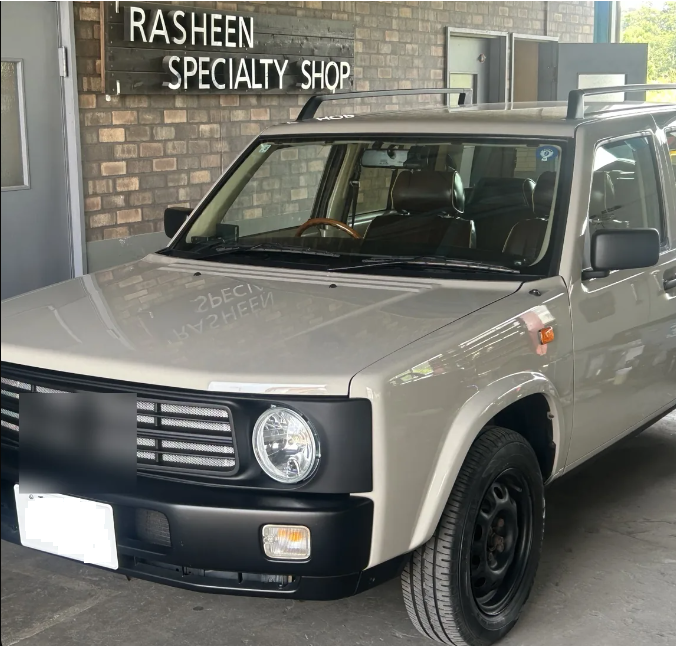
Classic beige Rasheen build with a Retro Face, black trim, round headlights, and a compact JDM SUV profile.
Why America is ready for the Rasheen
The American market already understands JDM culture. Skylines, kei trucks, Land Cruisers, Pajeros, Delicas, and 1990s Japanese cars have all helped create a serious audience for vehicles that feel different from what people usually see on American roads.
The Rasheen fits that audience in a different way. It is not trying to be the fastest JDM car. It is not trying to be a giant off-road truck. It is a small, useful, character-rich SUV that feels special every time you park it, photograph it, or drive it to a weekend meet.
For U.S. buyers, the first question is usually whether the vehicle is old enough to qualify for import under the 25-year rule. With the Nissan Rasheen, the key detail is the actual date of manufacture, not simply the model year shown in a listing. That is why the month and year of production should always be confirmed before export planning begins.
Style is the first reason people look
Most buyers notice the face first. Round headlights, a simple grille, black trim, steel wheels, a roof rack, and a warm cabin can completely change the feeling of the car.
That is why Rasheenkan builds around three clear, well-defined styles:
Retro Face Simple, timeless, and easy to love.
Adventure Face Rugged, darker, and ready for a stronger outdoor look.
Classic Truck Face Vintage truck influence with Japanese craftsmanship.
Each style can be matched with body color, wheel finish, interior material, and small details like wood-grain trim or mirror covers.
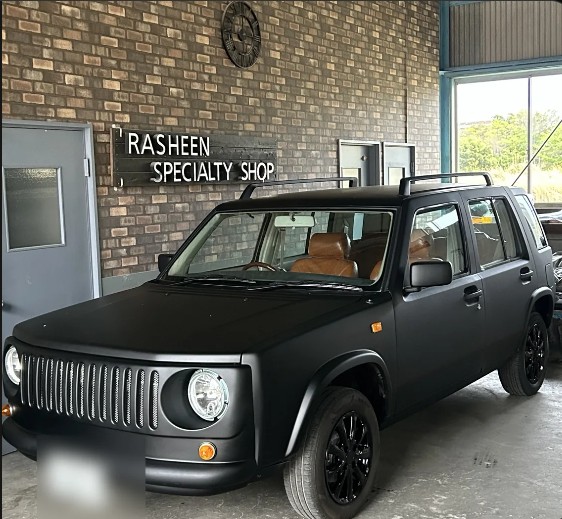
Adventure-style Rasheen build with a darker body, bold front face, black wheels, and a stronger road presence.
The cabin matters more than people expect
In a compact vehicle like the Rasheen, interior details have a powerful effect on the overall ownership experience.The seat color, dashboard trim, steering wheel, door panels, and small wood-grain details make the car feel personal.
For American buyers, this is one of the biggest opportunities. A standard Rasheen can be interesting, but a Rasheen with a customized cabin becomes a lifestyle vehicle. It feels like a place with character, not just transportation.
Warm brown seats, striped fabric, wood-grain panels, classic steering wheels, and carefully chosen colors give the Rasheen a vintage feel with real depth.
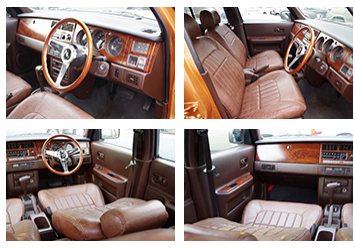
Warm brown interior with classic seat styling, wood dashboard details, and a cabin designed to feel special every time the door opens.
Workshop proof creates trust
Finished photos are important, but for overseas buyers, they are only the beginning. When a vehicle will be purchased from thousands of miles away, confidence must be built through clear documentation.
That is why workshop photos matter. Underbody images, engine-bay photos, paint-preparation records, compression test results, steering and suspension photos, and drivetrain photos help show the condition of the vehicle beyond its exterior appearance. They demonstrate that the seller is willing to show the work, not just the finished result.
A Rasheen may look simple from the outside, but like any older vehicle, its condition depends on what lies beneath the surface. Rubber components, seals, steering parts, suspension parts, visible leaks, underbody areas, and drivetrain condition should all be assessed according to the base vehicle and the build plan.
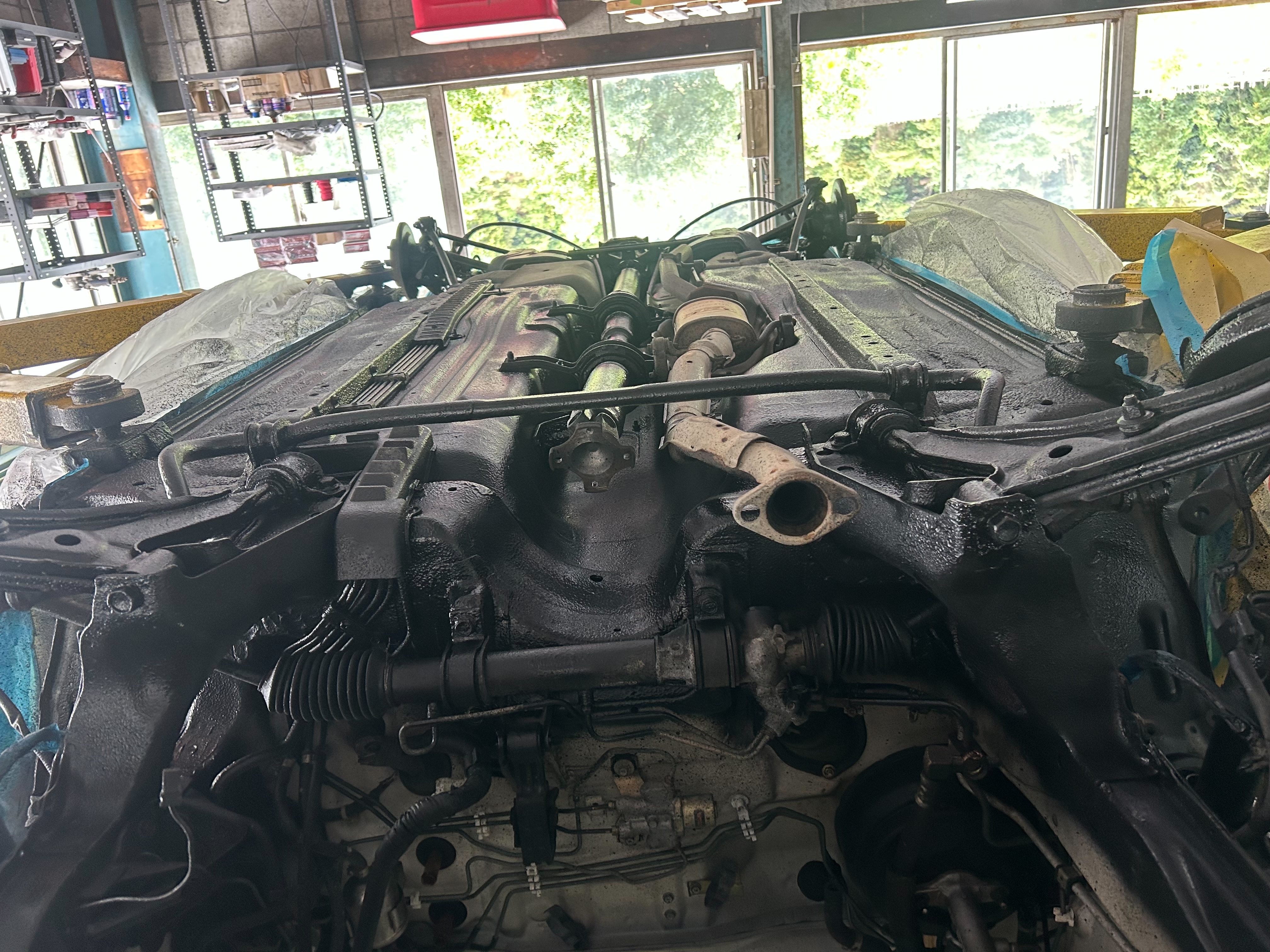
Underbody inspection helps overseas buyers understand the condition that exterior photos cannot show.
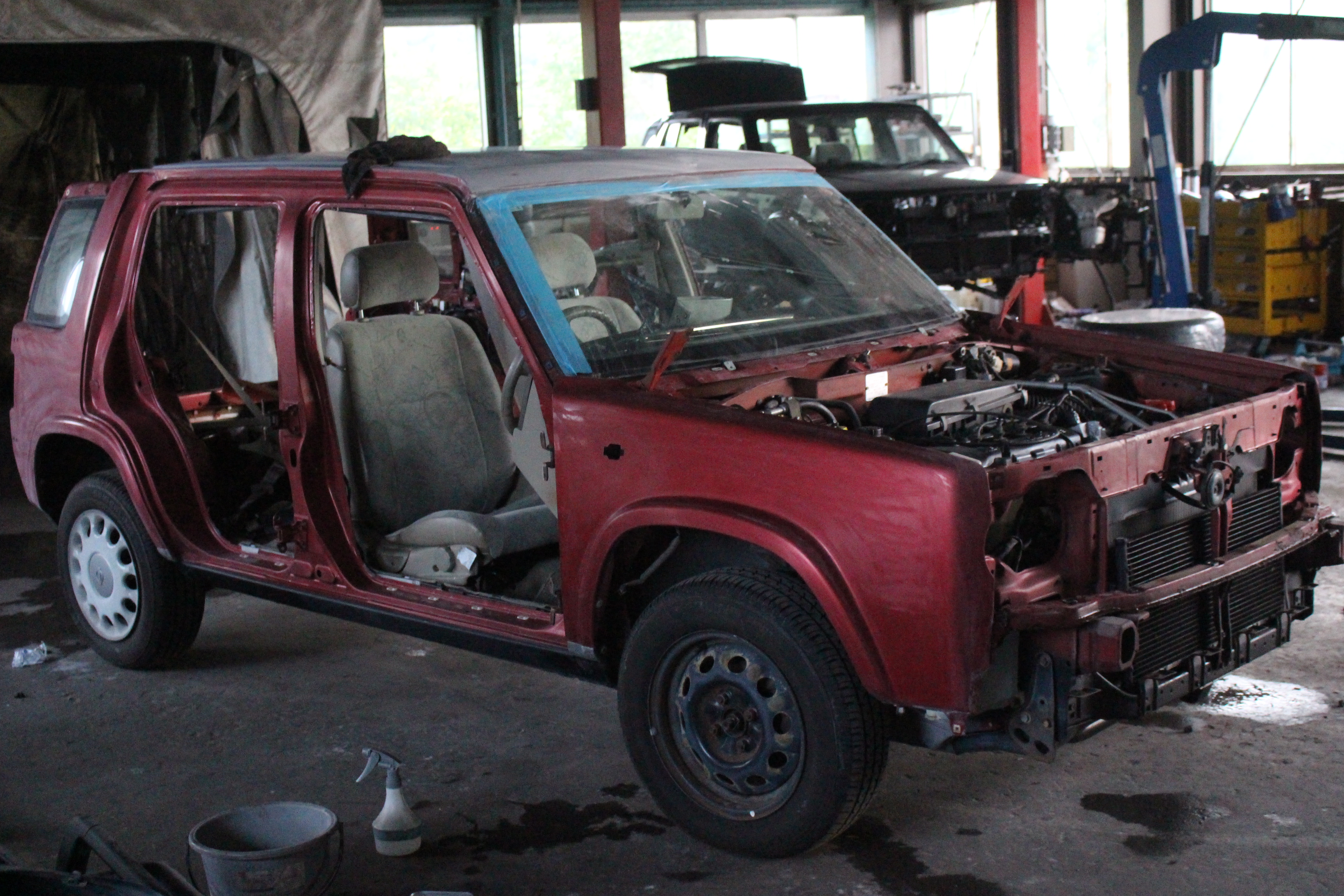
Paint and bodywork begin with preparation
A good finish is never only about color. It is defined by the preparation behind it.
Depending on the vehicle and the build plan, panels may be removed, masked, repaired, refinished, and carefully reassembled. That is the difference between a quick repaint and a properly finished custom build. The quality of the result is shaped long before the final color is applied.
For U.S. buyers, process photos are especially valuable. Images of paint preparation, panel removal, separated trim, and reassembly help explain the standard of work behind the finished appearance.
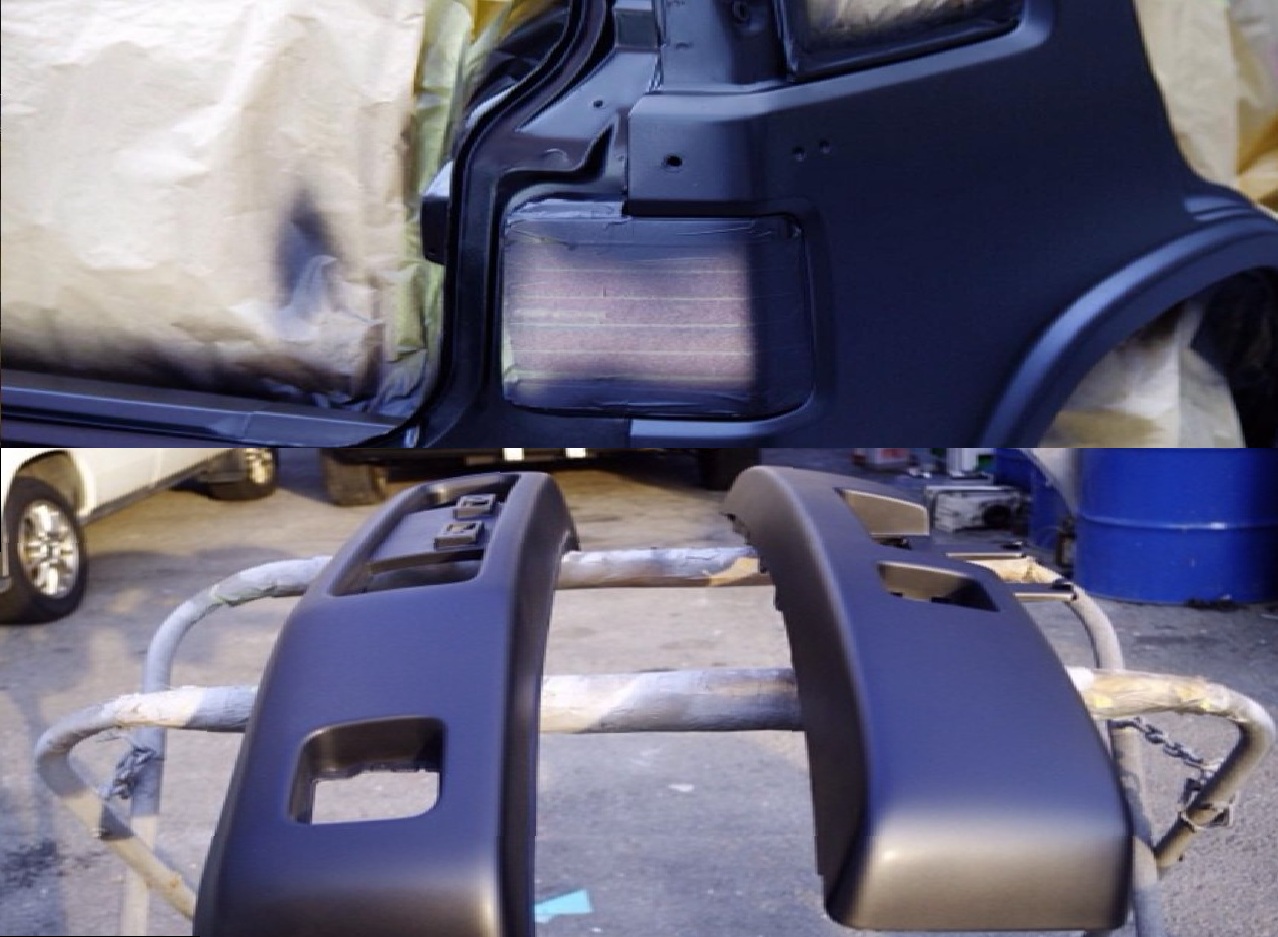
Body and paint preparation with masking and panel work before refinishing.
Mechanical confidence is part of the build
A Rasheen for the U.S. market should be more than visually appealing. It should be presented with clear, honest information about its mechanical condition.
That does not mean every vehicle requires the same level of work. Some may need only basic inspection and routine service, while others may call for more extensive attention to the engine, transmission, steering, or suspension. What matters is not making broad claims, but documenting the work accurately: what was inspected, what was serviced, what was replaced, and what remains original.
Compression testing, underbody photos, drivetrain inspection, and clear workshop notes all help buyers better understand the vehicle before export.
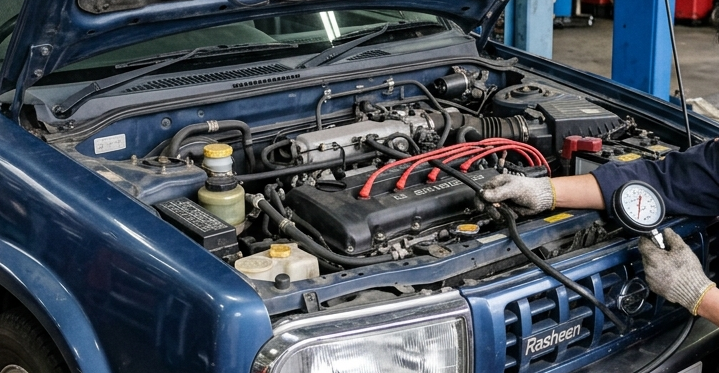
Compression testing is one way to document engine condition before export discussions.
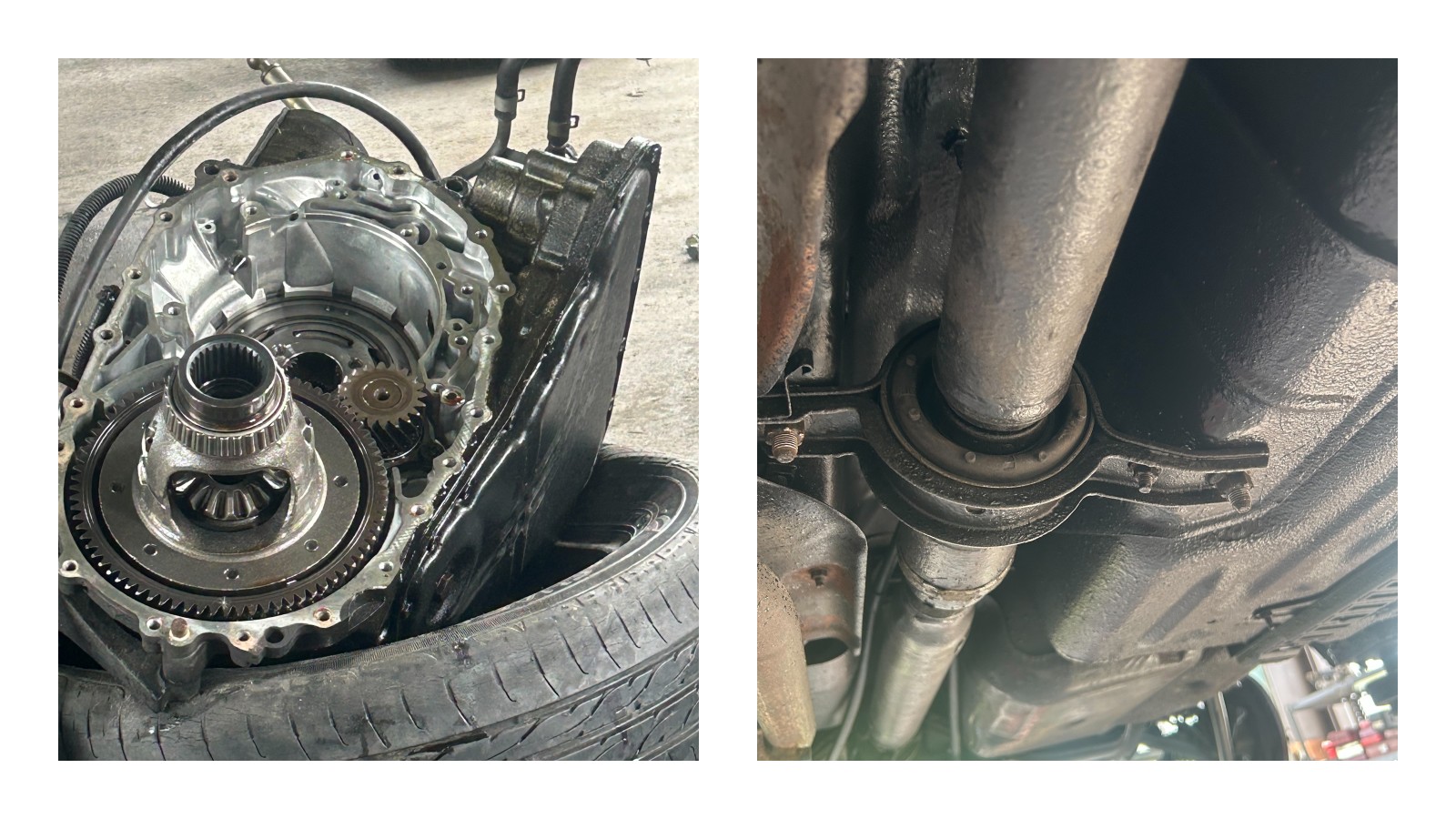
Drivetrain inspection and service can be documented when deeper mechanical work is required.
Importing a Rasheen from Japan to the USA
U.S. buyers should check and confirm import iligibility before purchase. Under the U.S. 25-year rule, the key point is the vehicle’s actual date of manufacture, not simply the model year shown in a listing.
It is also important to understand that federal import eligibility and state registration requirements are not always the same. Before shipping a vehicle, buyers should consult a qualified importer, customs broker, or local registration specialist.
Rasheenkan can assist overseas buyers with vehicle details, photos, inspection notes, build consultation, and export preparation from Japan. Buyers should still confirm U.S. import, customs, and state registration requirements with the appropriate professionals in the United States.
What makes a Rasheenkan build different
We do not see the Nissan Rasheen as just another used vehicle from Japan. Our goal is to create a compact JDM SUV with character, carefully documented workmanship, and a build story buyers can understand and trust.
Each Rasheenkan build can be shaped in a different direction—classic, rugged, playful, or refined. Some are prepared for collectors, some for showroom display, and some for buyers who simply want a vehicle that feels different from everything else on the road.
The Rasheen is not for everyone. That is precisely what makes it special.
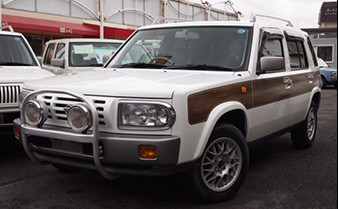
Small wood-grain exterior details can be matched with cabin trim for a warmer vintage character.
Final thought for American buyers
If you are searching for a Nissan Rasheen for sale in the USA or planning to import a Nissan Rasheen from Japan, look beyond the first photo.
If you are searching for a Nissan Rasheen in the United States or planning to import one from Japan, look beyond the first photo.
Ask for the date of manufacture. Ask for vehicle identity details. Ask for underbody photos. Ask what has been inspected, what has been serviced, and how the vehicle will be prepared for export.
The best Rasheen is not simply the one that looks good. It is the one with style, documentation, and a shop willing to stand behind the work.
Ready to discuss a Rasheen build for the United States? Contact Rasheenkan Japan and tell us what kind of Rasheen you want to drive.